
The Science of Far UVC
Blueprint Study
Executive summary
Despite the tremendous strides we have made against water-borne, food-borne, and vector-borne diseases, airborne infectious diseases remain one of humanity’s biggest challenges: the COVID-19 pandemic has claimed an estimated 27 million lives. Tuberculosis kills 1.6 million people annually. One billion people are infected by influenza every year, leading to millions of serious illnesses and hundreds of thousands of deaths.
Countermeasures to infectious disease are vital, and their champions—Pasteur, Jenner, Fleming, Salk, Karikó—are rightly celebrated. But less celebrated are the interventions that operate in the background of everyday life—sanitation, pest control, food hygiene—which prevent us from encountering pathogens in the first place.
Germicidal ultraviolet light (GUV) has been used in water treatment for over 100 years. Studies in the 1940s showed the promise of treating the air above our heads with GUV—so called ‘upper-room UV’—to control the spread of measles in schools and it has been used for decades to control the spread of drug-resistant tuberculosis.
Far-UVC is a new form of GUV. Because it is strongly absorbed by proteins in the outer layer of human skin and eyes, it can inactivate a wide range of pathogens with minimal penetration into and effects on human tissues. This enables higher human exposure limits, unlocking the potential for disinfecting occupied spaces continuously while achieving significantly improved air cleaning over current alternatives. Far-UVC is also silent, energy-efficient, commercially viable at scale, less vulnerable to engendering resistance than pharmaceuticals, and can be deployed in advance of an outbreak to help prevent a pandemic from occurring in the first place.
This report details a comprehensive set of recommendations to accelerate far-UVC’s development and prepare it for widespread usage. The four most urgent priorities are:
- Establish how far-UVC installations need to be designed in order to effectively suppress airborne transmission.
- Identify different biological effects induced by far-UVC compared to solar UV and conventional GUV.
- Understand unintended air quality impacts of far-UVC and options for mitigation.
- Obtain high-quality evidence of real-world effectiveness. 4. We also identify the key building blocks for facilitating successful adoption and a longer-term research agenda to accompany adoption.
Unfortunately, the drivers of pandemic risk are going in the wrong direction. Climate change, factory farming, and human encroachment into wild habitats more than double the expected risks of pandemic pathogens jumping from animals to humans. Meanwhile, rapid advances in AI and synthetic biology leave us significantly more vulnerable to malicious actors and engineered pandemics. Experts estimate a 1 in 8 chance of a pandemic killing over 90 million people by 2050, three times the death toll of COVID-19. If we want to overcome these immense risks, the time to act is now.
Scope
This report evaluates the use of far-UVC to suppress ‘long-range’ airborne transmission. There are other promising uses of far-UVC, including disinfection of surfaces, prevention and treatment of surgical-site infections, ‘near-field’ protection (for example through personal protective equipment that incorporates far-UVC), as well as the prevention of ‘short-range’ airborne transmission. We expect to review the prospects for short-range transmission reduction in a future update.
While there are other air cleaning technologies that play an important role in defending against airborne disease, including ventilation, filtration, and even other types of germicidal UV light, they are not within the scope of this report except insofar as they relate to far-UVC.
This report is based on an extensive review of the published literature and two years of consultation and collaboration with over 100 experts across multiple disciplines, including photobiology, atmospheric chemistry, indoor air quality, building science, environmental engineering, epidemiology, and public health. Its primary purpose is to coordinate the efforts of researchers, policymakers, entrepreneurs, funders, and other stakeholders who can accelerate far-UVC’s development. It therefore begins with our Recommendations, the specific steps that need to be taken to validate far-UVC’s real-world safety and efficacy profile.
In Germicidal UV: introduction and history, we cover the history of germicidal ultraviolet light from the 19th century to the present day, placing the development of far-UVC in the context of the shift in understanding of airborne disease transmission caused by the COVID-19 pandemic.
In Far-UVC primer, we provide a detailed glossary of important concepts that are referred to throughout the report.
In Efficacy, we discuss the evidence for far-UVC’s efficacy and effectiveness at disinfecting indoor air. Far-UVC can measurably inactivate airborne pathogens within safe human exposure limits. However, given inconsistencies in estimated susceptibility of pathogens and the impact of dose distribution in practical applications, the degree to which far-UVC will prove superior to existing air cleaning technologies is uncertain.
The following four chapters—Skin and eye safety, Evaluating cancer risk, Ozone and indoor air quality, and Ozone epidemiology—examine far-UVC’s effects on skin, eyes, and indoor air quality. The evidence indicates that it is appropriate for far-UVC eye and skin exposure limits to be meaningfully higher than the limits for longer UV wavelengths. However, further research is necessary and we expect expert bodies to update their guidance in the coming years. Far-UVC generates small quantities of ozone relative to normal outdoor levels. However, this can be mitigated, and the risks from additional ozone ought to be weighed against the benefits of disinfection.
Emitters and luminaires analyzes commercially available far-UVC lamps. Krypton chloride excimer (KrCl) lamps are currently the primary emitter source. Fundamental innovation is not necessarily required for widespread commercial adoption, and the cost of KrCl lamps could decrease significantly in the next 3–5 years. However, solid-state technologies like LEDs or frequency doubled blue lasers could offer several improvements over KrCl* lamps on a 5–10 year timescale.
The Guidance, standards, and regulations chapter examines the complex landscape governing far-UVC use and implementation and offers an overview of the consensus standards and guidance provided by a wide array of expert bodies and professional associations.
Finally, Materials examines how far-UVC is likely to interact with the built environment and the different materials that comprise it. While relatively little is known about far-UVC’s impact specifically, exposure to other forms of UV (such as solar UV and conventional GUV) are known to cause effects on the appearance and performance of some common materials.
Research priorities
The starting point for our recommendations is the mission of Blueprint Biosecurity: achieving breakthroughs in humanity’s capability to prevent, mitigate, and suppress pandemics. If far-UVC is to be effective as a pandemic prevention measure, it will need to be widely installed across indoor public spaces before outbreaks occur. That does not mean that there is no value in a more limited adoption, or that widespread adoption is needed for a viable commercial market to exist for far-UVC manufacturers. But we do expect that in order to achieve the goal of pandemic prevention, far-UVC will have to prove highly effective at suppressing the transmission of endemic respiratory illnesses—otherwise, mass adoption before outbreaks won’t be justified.
The level of trust that we are asking the public to place in far-UVC is substantial. Far-UVC does not require most individuals to change their behavior to be effective, which is a key reason that it could prove so impactful. But a world in which far-UVC enjoys widespread use in public spaces is one in which only limited personal consent can be given to far-UVC exposure. The corollary of passive collective protection is that great trust is placed in the scientists who develop the technology, the professionals who install it, and most of all the institutions who set safety and efficacy standards.
The thoroughness embodied in our recommendations, in particular with regards to the need for further research, reflects the trust that we believe must be earned through rigorous science in order for far-UVC to have a substantial impact on the world.
The recommendations of this report are specific to advancing far-UVC, with preventing airborne disease transmission as the intended use case. There are other things that could materially advance the cause of airborne infection resilience, including basic research into the aerobiology and epidemiology of pathogen transmission, development of biosensors that can detect infectious aerosols in real time, and better monitoring of respiratory infections acquired in high-risk environments such as healthcare settings. A number of these may be highly impactful, but they have not been evaluated as part of this report.
The recommendations fall into three categories.
First, we offer four research priorities, describing the academic and clinical research that urgently needs to be pursued to validate the potential of far-UVC and facilitate adoption.
Second, we offer five recommendations for facilitating successful adoption at scale. These are relevant to a wide range of stakeholders, including academia, industry, government, civil society, and early adopters.
Finally, we propose a long-term research agenda that ought to be pursued to answer questions that are important, but that we do not believe need to be urgently resolved in order to advance the field.
Recommendation 1: establish how far-UVC installations need to be designed in order to effectively suppress airborne transmission.
The amount of far-UVC power that is needed for air disinfection depends on the dose-response of different pathogens to far-UVC. All of the other challenges highlighted in this report become greater the higher the dose required to be effective, making understanding this the highest priority.
Among the studies that have been conducted so far, there are order-of-magnitude differences in pathogen susceptibility to far-UVC. We need to understand what aspect(s) of experimental procedure or environment cause this variability, and its causes may not be specific to UV inactivation. Standardization of research methods into infectious aerosols may have substantial spillover benefits for other technological approaches to controlling airborne transmission.
The protein absorption that makes far-UVC safer than other forms of UV will also reduce its penetration into the protein-rich human respiratory aerosols in which airborne pathogens are contained. It is not currently known how significant this effect is, nor what additional consequences there could be on the stability of pathogens contained in the aerosol. It is also challenging to synthesize representative human respiratory aerosols in the lab.
Sophisticated modeling, such as computational fluid dynamics combined with lighting simulation, is needed to translate experimental findings into practical guidance for safe and effective deployment in diverse environments. As these research methods can be inaccessible to end users, the goal of this research has to be practical heuristics that can be endorsed by public health agencies and implemented by practitioners at scale (see Recommendation 5).
Finally, we know that environmental factors such as relative humidity affect the susceptibility of pathogens to conventional GUV, and it is reasonable to hypothesize that the efficacy of far-UVC will also be mediated by environmental factors. These must be known in order to provide effective deployment guidance.
Therefore, researchers should:
- 1.1 Obtain pathogen inactivation data from actual human respiratory aerosols.
- 1.2 Conduct controlled bioaerosol chamber studies to establish the degree to which environmental variables such as relative humidity affect the susceptibility of relevant pathogens to far-UVC.
- 1.3 Understand the causes of the variability in experimental results and produce standardized experimental methods.
- 1.4 Use relevant techniques, such as computational fluid dynamics modeling and lighting simulation, to model UV dose distribution based on different room geometries, ventilation regimes, occupancy, and the location of the infectious source.
Far-UVC is absorbed by proteins in the outer layer of skin and eyes, thus reducing the harms associated with other forms of UV radiation. This is the foundation of far-UVC’s promise for whole-room disinfection of occupied spaces.
While there is currently no evidence of significant harm from far-UVC, the impact of protein absorption is not yet fully understood. Protein absorption and other consequences of the higher energies of far-UVC photons will have other effects not traditionally associated with conventional GUV and solar UV exposure. Safe exposure limits for human skin and eyes are based on the propensity of different UV wavelengths to induce harmful biological effects, and therefore we should ensure that the measurable endpoints by which these harms can be detected are fully complete.
Recommendation 2: identify different biological effects induced by far-UVC compared to solar UV and conventional GUV.
Far-UVC is absorbed by proteins in the outer layer of skin and eyes, thus reducing the harms associated with other forms of UV radiation. This is the foundation of far-UVC’s promise for whole-room disinfection of occupied spaces.
While there is currently no evidence of significant harm from far-UVC, the impact of protein absorption is not yet fully understood. Protein absorption and other consequences of the higher energies of far-UVC photons will have other effects not traditionally associated with conventional GUV and solar UV exposure. Safe exposure limits for human skin and eyes are based on the propensity of different UV wavelengths to induce harmful biological effects, and therefore we should ensure that the measurable endpoints by which these harms can be detected are fully complete.
Therefore, researchers should:
- 2.1 Obtain a mechanistic understanding of the effects of protein absorption in the skin and eye.
- 2.2 Study other pathways through which the higher energies of farUVC photons may cause relevantly different effects to longer UV wavelengths.
- 2.3 Use this knowledge to identify biomarkers and create action spectra that can inform the exposure limits recommended by expert bodies such as ICNIRP and ACGIH.
Recommendation 3: understand unintended air quality impacts of far-UVC and options for mitigation.
Far-UVC will generate some ozone. Our knowledge of the amount of potential harm from ozone exposure is based on epidemiological studies of outdoor ozone. In order to use this data to bound the harms of any indoor air quality effects from far-UVC, a number of assumptions need to be made. In particular, we must assume that the complex indoor air chemistry observed with the use of far-UVC is all downstream of the generation of ozone. Establishing whether this assumption is valid, or whether there are byproducts relevant to air quality that are caused by some other effect of far-UVC, should be a high priority.
It is also possible to mitigate indoor ozone generation and any byproducts not only through adequate ventilation but also through the use of catalysts or activated carbon filters. Epidemiological data suggests that reducing the concentrations of ozone and its byproducts in indoor air could have potentially significant public health benefits independent of synergizing with the use of far-UVC, and these technologies are worthy of further development.
Therefore, researchers should:
- 3.1 Conduct in-depth field measurements of indoor chemistry, in diverse environments representative of the spaces in which far-UVC may be deployed, that compare the effects of far-UVC to introducing the equivalent quantity of ozone. Independently estimating relevant parameters such as fluence rate, ventilation, and background ozone decay is vital to assist with interpretation and modeling of results.
- 3.2 Replicate lab measurements of ozone generation from different far-UVC devices to establish a robust model for predicting ozone production based on their output power and emission spectrum, and establish a standard test method.
- 3.3 Build on existing epidemiological research to quantify potential health effects of exposure to ozone and ozone reaction byproducts indoors.
- 3.4 Investigate the potential for ozone removal with catalysts and activated carbon, and identify the solutions that are most cost-effective without creating unintended consequences.
Recommendation 4: obtain high-quality evidence of real-world effectiveness.
Cluster-randomized trials (CRTs) that demonstrate reductions in infections are considered the gold standard of evidence for infection control.
CRTs have risks and drawbacks for studying transmission suppression technologies like far-UVC. Previous studies of the effectiveness of upper-room UV produced mixed results due to flaws in study design that are challenging to mitigate. It is difficult to ensure that a trial is adequately powered to detect a reduction in transmission, and underpowered studies risk undermining the field. The failure to find statistically significant results can be misinterpreted as evidence that an intervention does not work, when it is often the case that the study is not capable of providing evidence that it does work.
It is our judgment that without a paradigm shift in the type of evidence that is expected by public health agencies and experts in infection control, successful CRTs are necessary to catalyze widespread adoption. However, ventilation is an example of an intervention to control airborne transmission that has become widely accepted as effective without such a study. If we are wrong about the importance of CRTs in proving the real-world effectiveness of far-UVC and catalyzing adoption, our other recommendations would still stand.
Therefore, researchers should:
- 4.1 Ensure that clinical trials are sufficiently powered that plausible effect sizes can be detected with statistical significance.
- 4.2 Ensure that clinical trials of GUV employ doses that are likely to prove effective based on the experimental evidence, and ensure that building occupants remain within photobiological safety limits.
- 4.3 Collect data such as temperature, humidity, CO2 concentrations, ventilation rates, pathogen concentrations and sequencing of confirmed infections, in addition to the primary infection endpoints. This will assist in the interpretation and generalizability of a CRT whether it is successful or not.
Facilitating successful adoption
Recommendation 5: create simple far-UVC deployment guidance, backed by research, that can be clearly communicated by public health agencies and other trusted institutions.
Public health communication, risk communication, and radiation safety communication are mature fields with established principles that can be applied when communicating about far-UVC. It is vital to develop informative guidance that can be implemented by practitioners and educational materials that are comprehensible to a lay audience.
In order to provide this guidance and facilitate clear communication, we need to determine which factors are critical for designing effective far-UVC applications in different spaces (see Recommendation 1).
Therefore, developers of guidance and informational materials should:
- 5.1 Facilitate dialogue between modelers, experimentalists, public health authorities, communication experts, and the practitioners who will have to follow the guidance.
- 5.2 Follow established practices in the fields of public health communication, risk communication, and radiation safety communication.
- 5.3 Produce guidance for far-UVC that accounts for different levels of ventilation. There cannot be a ‘one size fits all’ approach, and the impact of ozone-initiated secondary chemistry is particularly sensitive to levels of ventilation.
- 5.4 Bring the institutions trusted by the public into the guidance development process early.
Recommendation 6: improve consensus standards for airborne infection control applications and far-UVC devices.
Some consensus standards are already established, more are needed, and all of these will require future revision. 2023 saw the publication of UL 8802 Standard for Ultraviolet (UV) Germicidal Equipment and Systems, as well as ASHRAE 241 Control of Infectious Aerosols—the first standard that attempts to provide a technology-neutral framework for preventing long-range airborne transmission in a wide variety of indoor public spaces.
There are other standards that are important to the use of far-UVC, such as UL 2998 Environmental Claim Validation Procedure (ECVP) for Zero Ozone Emissions from Air Cleaners, that were not formulated with the properties
A number of standard test methods exist for quantifying the efficacy of air cleaning devices against bioaerosols, and all of these will likely require revision once we understand the cause of the variability of results on far-UVC efficacy observed in the academic literature (see Recommendation 1).
Developing and revising consensus standards requires input from a wide variety of interested parties, including academic experts, trade associations, government, manufacturers, and end users, to ensure a balanced perspective. If you are reading this document, consider participating in the development of consensus standards.
Therefore, standards-setting bodies should:
- 6.1 Further develop and refine existing standards, particularly:
– ASHRAE 241 Control of Infectious Aerosols.
– ANSI/CAN/UL 8802 Standard for Ultraviolet (UV) Germicidal Equipment and Systems.
– ANSI/CAN/UL 8803 Portable UV Germicidal Equipment With Uncontained UV Sources.
– IEC/EN 62471 Photobiological safety of lamps and lamp systems.
– ISO 15858: UV-C Devices - Safety information - Permissible human exposure.
– ANSI/IES RP 27.1-22 Photobiological Hazards From UV Lamps.
- 6.2 Develop new consensus standards for:
- Ozone generation from germicidal applications, using new testing methodologies that account for the particular properties of far-UVC devices – Manufacturing and labeling of GUV devices that provide consistent information to consumers on expected lifetime, UV power output and emissions spectrum, and photobiological exposure limits based on the device emissions spectrum.
- 6.3 Modify standards relevant to particular industries and settings, such as the Facilities Guidelines Institute standards for hospitals and other healthcare settings in the United States, to facilitate the use of GUV in high-infection-risk spaces.
- 6.4 Develop improved standard testing methodologies for air cleaners that claim to remove infectious aerosols. These can be incorporated into standards such as ASHRAE 241, and can also be used by government agencies such as the US EPA who have the authority to regulate marketing claims.
Recommendation 7: ensure that far-UVC is installed in accordance with consensus standards, as part of a layered approach with other engineering controls such as adequate ventilation and filtration.
Layered interventions with different mechanisms are more resilient to the diversity of potential biological threats, and the use of multiple different approaches is a basic principle of biosecurity. Different technologies have different strengths and weaknesses, and far-UVC is likely to be more effective at mitigating some airborne infection threats than others. Adequate ventilation and the use of mechanical filtration (e.g. HEPA or MERV-13) have other potential health benefits as well as mitigating some of the possible risks of far-UVC use.
Not all far-UVC devices are the same, and emissions of non-far-UVC wavelengths from KrCl* lamps and LEDs pose different photobiological and photochemical risks. Not all use cases are the same either, and the potential risks of far-UVC use are higher in places with longer occupant dwell times and lower standards of ventilation, and without professional facilities management.
We expect some of these recommendations to be superseded by the further development of consensus standards and deployment guidance, but they represent what we believe is prudent today.
Therefore, we recommend to those considering installing far-UVC today:
- 7.1 Purchase devices that have been certified to appropriate product standards such as IEC/EN 62471 or ANSI/CAN/UL 8802. In some jurisdictions certain standards are mandatory.
- 7.2 When assessing photobiological exposure limits, either in a test lab or the field, the combined effect of all the emissions of the device—not just the peak 222-nm emissions of a KrCl* lamp—must be factored in.
- 7.3 Ensure that ventilation is sufficient and working as intended before considering the installation of far-UVC. Far-UVC is not an alternative to minimum acceptable ventilation standards.
- 7.4 Typically avoid mounting fixtures on walls, and where possible mount devices on the ceiling facing down to provide an additional safety margin for eye exposure. However, the best approach to safe and effective installation does depend on the specifics of room geometry and the behavior of occupants.
- 7.5 Carefully weigh the benefits and risks of the use of far-UVC in private residences.
Recommendation 8: improve performance and affordability of far-UVC emitters.
Far-UVC emitters are currently expensive and may not be cost-effective outside of high-risk settings, such as healthcare facilities. As disinfection is ultimately a product of dose and the susceptibility of the pathogen (see Recommendation 1), the relevant criteria for cost-effectiveness is the cost per mW of far-UVC output that can be safely installed in a space.
Reducing cost per mW can be achieved through a number of means. Increased production of far-UVC lamps for other applications will help achieve economies of scale, and this additional source of far-UVC emitter production could also be repurposed in a future pandemic. The far-UVC industry is currently very small, and substantial reductions in cost per mW are feasible merely from scale.
There is potential for direct cost reduction of key lamp components, as well as prospects for wholly new emitter technologies based on semiconductor technology such as LEDs or frequency-doubled blue lasers. But there are other strategies for addressing the cost per mW of useful power output that do not require fundamental innovation, and some
product features may have the capability of addressing multiple challenges—safety, cost, energy efficiency—simultaneously.
We have seen marked improvements in far-UVC emitters over the last decade, and we believe that the improvements in features and cost necessary for widespread deployment will happen if there is the prospect of a market to sustain the industry and attract investment.
Therefore, industry should:
- 8.1 Improve diffuser technology, as this has the potential to reduce cost per mW and increase the energy efficiency of fixtures designed for lower ceiling heights.
- 8.2 Evaluate the use of proximity sensors or cameras, combined with the capability to dim or boost output, allowing for dynamic output regulation based on room occupancy.
- 8.3 Develop cost-effective filters that are as transparent as possible to far-UVC wavelengths and opaque outside that range. Such filters are useful for multiple different types of far-UVC sources, and filters can be a significant cost component of lamps.
- 8.4 Extend lamp lifetime to reduce both maintenance and effective cost per mW.
- 8.5 Develop next generation emitters, such as semiconductor technology. These may outcompete current sources on cost, and also provide different features for different applications.
- 8.6 Develop markets for far-UVC outside of indoor air disinfection. Examples that we have seen proposed, but we have not evaluated as part of this report, include water treatment, surface disinfection, healthcare tools, agriculture and food production, food processing, pest control, and scientific equipment.
Recommendation 9: create cost-benefit analysis frameworks for deploying far UVC
Far-UVC technology is not meant to be used everywhere or in every situation. Its adoption should be thoughtful and guided by evidence. Many stakeholders, especially institutional decision-makers, will base their investment decisions on a careful cost-benefit analysis.
These decisions, whether made by private businesses, healthcare facilities, or government agencies, require evaluating a complex mix of both tangible (hard) and intangible (soft) costs and benefits. These include costs such as upfront capital, ongoing operational costs, and deployment risks, and expected gains such as fewer infections, reduced absenteeism, increased productivity, and lower healthcare costs.
In situations where achieving airborne infection control is (or becomes) required, and decision-makers use far-UVC to substitute for other methods, then the benefits can take the form of cost and/or energy savings from reducing the use of less efficient methods. Developing frameworks that compare the costs and benefits of different solutions is necessary.
Therefore, to support more informed decision-making, researchers and building design professionals should:
- 9.1 Develop cost-benefit analysis frameworks and tools tailored to specific deployment settings, starting with high-risk, high-impact environments like healthcare facilities, public gathering spaces, and schools.
- 9.2 Regularly update these frameworks and tools with the latest research and data on far-UVC technology’s benefits, costs, and implementation needs.
- 9.3 Ensure that these cost-benefit analysis tools are adaptable for use with other disinfection and air-cleaning technologies, enabling fair and consistent comparisons across different solutions.
Long Term Research Agenda
Recommendation 10: conduct long-term safety studies in diverse populations.
Post-approval studies play an important role in ensuring the long-term safety of pharmaceuticals, and the same principle applies to far-UVC. As with pharmaceuticals, it would be an excessive application of the precautionary principle to require long-term studies of hypothetical side effects before implementing an efficacious innovation that saves lives. However, that does not mean that such studies are unnecessary.
Long-term safety studies for chronic far-UVC exposure will ideally have longer duration and follow-up than a CRT designed to prove effectiveness. The challenges of powering a CRT to detect reductions in infections limits the types of facilities (and therefore people) that can be feasibly studied. To obtain data in diverse populations that may have different
- 10.1 Identify practical study designs for assessing the long-term effects of chronic exposure to far-UVC.
- 10.2 Commence these studies as soon as is practical. This requires a combination of long-term commitment on the part of the participating buildings and occupants in order to justify the set up of the study, as well as knowledge of the relevant biological endpoints that should be included in such a study (see Recommendation 2).
Recommendation 11: study the effects of far-UVC on materials ubiquitous in the built environment.
Far-UVC will interact in some way with materials commonly found in the built environment, and there is a need to prioritize what materials to study. This prioritization exercise should account for both potential mechanisms and the importance, ubiquity, and intended lifespan of the material.
Substantial changes will be necessary to make buildings healthier. We have re-engineered the built environment many times, from the sanitation revolution, to fire safety, to reducing energy usage. Periodic renovations and retrofits are an opportunity to address multiple problems simultaneously. If far-UVC is found to have undesirable effects on common materials, there are potential mitigation strategies.
Therefore, researchers should:
- 11.1 Conduct controlled exposure studies in the lab on common materials, cosmetics, clothing, and plants, not just for aesthetics and performance but also for potential off-gassing of harmful compounds.
- 11.2 Conduct long-term studies in the real-world environment under realistic exposures to quantify whether any hypothesized effects occur in complex products and environments.
- 11.3 Study potential mitigation strategies including: using coatings or sealants that are far-UVC resistant, identifying sensitive materials, and producing practical guidance for reducing the exposure of materials that prove to be particularly sensitive.
Recommendation 12: obtain a deeper understanding of the mechanisms by which far-UVC inactivates pathogens.
Understanding the mechanisms of pathogen inactivation will help us predict far-UVC’s efficacy against a broad range of threats without testing every pathogen individually.
A wider biosecurity goal is facilitating real-time feedback on the effectiveness of interventions that reduce the concentration of infectious aerosols, as proposed in the ARPA-H BREATHE program. However, it is currently not possible to reliably distinguish between infectious and inactivated pathogens without performing time-consuming bioassays. If we understood mechanisms of inactivation better, this could potentially provide targets for novel biosensors that would be more practical to widely deploy.
Therefore, researchers should:
- 12.1 Study how far-UVC inactivates microbes, including the likely possibility that this occurs through multiple mechanisms.
- 12.2 Identify targets that could be used for novel biosensors that would distinguish between infectious and inactivated pathogens.
Why are we interested in accelerating the development of far-UVC?
Even after a global pandemic that spread largely via aerosols, tools to suppress the spread of airborne disease remain deeply neglected. This neglect is particularly concerning given the exceptional efficiency of airborne transmission in the wrong circumstances. The Omicron variant of SARSCoV-2 demonstrated how rapidly airborne pathogens can spread, doubling cases approximately every 2-3 days and infecting an estimated 125 million people globally within just 10 weeks of its identification. Measles, the most infectious human pathogen, is also airborne.
Existing solutions are critical but insufficient
Current approaches to controlling airborne disease transmission fall broadly into three categories: medical countermeasures like vaccines and therapeutics, personal protective equipment like masks, and engineering controls like ventilation, filtration, and upper-room UV. Each of these technologies plays a critical role in pandemic prevention and mitigation but has significant limitations and vulnerabilities.
Medical countermeasures
Vaccines and therapeutics are vital, but they take time to develop and distribute. Even with record speed, COVID-19 vaccines were not available for a year, and many countries waited significantly longer. Some people, including the immunocompromised, infants, and the elderly, may not be fully protected even when vaccines are available.
Personal protective equipment
High-quality respiratory protection, like N95s and elastomeric respirators, is essential for individual protection against airborne pathogens when properly worn, and we are working on increasing the amount and quality of personal protective equipment that will be available when the next pandemic strikes. However, masks also face significant challenges, including cost, comfort, communication difficulties, and compliance fatigue, so we cannot rely on them alone for population-wide protection during prolonged outbreaks. Masks also pose particular challenges for specific populations, such as young children and individuals with certain medical conditions or disabilities, and in settings where clear communication is essential.
Engineering controls
We are optimistic about the potential for engineering controls to reduce the burden of endemic disease. Once installed, they protect everyone in the space without requiring individual action or compliance. However, existing solutions face severe limitations.
These limitations become especially apparent when considering the air cleaning levels needed for highly infectious diseases. ASHRAE Standard 241 (Control of Infectious Aerosols, 2023) recommends clean air delivery rates that can far exceed both CDC guidelines and the ventilation capacities of a typical building’s systems. A restaurant, for example, would require an additional 60 CFM / person, of clean airflow beyond standard ventilation systems to achieve the protection levels recommended by ASHRAE 241, comparable to the requirements of a modern operating theatre (see Guidelines, standards, and regulations section). Achieving this through ventilation or filtration could create disruptive gusts, noise, and unsustainable energy costs.
Ventilation and filtration
Ventilation and filtration are proven methods of reducing indoor airborne pathogen concentrations and we are enthusiastic about them being implemented where practical. But they can fall short in specific situations: many HVAC systems cannot meet current air cleaning standards, especially in crowded, aging, or energy-constrained buildings. Portable air cleaners (PACs) with high-efficiency particulate air (HEPA) filters are effective and offer meaningful protection in many spaces, and we are encouraged by recent innovations like the Corsi-Rosenthal box that potentially offer a cheaper, quieter, and more energy-efficient solution. But in many high-risk indoor public spaces and scenarios, these interventions will likely remain insufficient for comprehensive protection. When operated at the high levels needed for substantial protection, they can generate noise and drafts that can make spaces uncomfortable, causing users to turn them down or off.
These limitations become especially apparent when considering the air cleaning levels needed for highly infectious diseases. ASHRAE Standard 241 (Control of Infectious Aerosols, 2023) recommends clean air delivery rates that can far exceed both CDC guidelines and the ventilation capacities of a typical building’s systems. A restaurant, for example, would require an additional 60 CFM / person, of clean airflow beyond standard
ventilation systems to achieve the protection levels recommended by ASHRAE 241, comparable to the requirements of a modern operating theatre (see Guidelines, standards, and regulations section). Achieving this through ventilation or filtration could create disruptive gusts, noise, and unsustainable energy costs
Upper-room and in-duct UV
Conventional upper-room 254-nm UVC systems have been deployed for decades in tuberculosis wards and operating theatres, and their use is recommended by CDC/NIOSH and WHO. These systems can achieve ASHRAE 241 standards but their key challenge is scalability: in order to be effective, UV intensity in the upper room must be much higher than safe human exposure limits, requiring expert installation and occupant awareness of the overhead hazard. In-duct UV systems disinfect air through HVAC systems but share the same challenges as ventilation and filtration: high energy use, noise, and limited effectiveness in spaces without ducted systems.
The promise of far-UVC
Far-UVC has a number of traits that make it extremely promising as a highly scalable and effective air cleaning technology. It will not be a panacea, however, and the remaining chapters of this report evaluate its safety and efficacy profile in significantly more detail with a critical eye for key gaps and uncertainties. Far-UVC’s promising attributes include
the following:
- Far-UVC can inactivate a wide range of pathogens: studies have shown strong inactivation against viruses like influenza and coronaviruses, bacteria such as Staphylococcus aureus and Pseudomonas aeruginosa, and even pathogenic fungi like Candida auris, suggesting far-UVC may be useful against both familiar and novel threats (see Efficacy section).
- Far-UVC installations can be made safe by design: far-UVC is absorbed by proteins in the outermost layers of the skin and eyes, allowing for higher safe exposure limits and safe operation in occupied spaces (see Skin and eye safety section).
- Far-UVC is energy-efficient: modeling shows that far-UVC can be up to 450 times more efficient than ventilation and 40 percent more efficient than air purifiers in delivering clean, disinfected air (see Efficacy section).
- Far-UVC is silent and practical: far-UVC runs silently, requires far less space than portable air cleaners or ventilation ductwork, and is relatively simple to install.
- Far-UVC is showing promise for preventing fomite and shortrange transmission as well: while this report focuses on long-range airborne transmission, far-UVC also inactivates pathogens in the concentrated plumes that drive short-range transmission and those on contaminated surfaces.
- Far-UVC may help combat antimicrobial resistance: far-UVC has been shown in laboratory studies to inactivate drug-resistant bacteria on surfaces and in air. It holds promise as a supplemental tool to reduce the burden of antimicrobial-resistant pathogens in high-risk settings.
Deployment of far-UVC could be highly cost-effective
The science of far-UVC, and the availability of commercial far-UVC emitters, has rapidly evolved since the onset of the COVID-19 pandemic. Many uncertainties, highlighted in this Blueprint, remain. However, preliminary analyses suggest far-UVC could prove highly cost-effective on a few different dimensions:
- One analysis of the costs and benefits of implementing ASHRAE 241 air cleaning targets estimated a 10-to-1 return on investment, even when considering only seasonal illnesses.
- An analysis of the use of far-UVC in indoor public spaces in Switzerland estimated a benefit cost ratio (BCR) of 30–290x in a normal winter respiratory illness season, and higher in pandemic scenarios.
- Finally, another analysis of the use of conventional UVC in aircraft cabins found a 1,000 percent annual return on investment and a cost of $10,000 per life saved. This analysis focused only on reducing the transmission of endemic influenza and SARSCoV-2. Far-UVC could offer similar benefits with fewer safety and operational constraints.
Additional rigorous cost-benefit analyses need to be developed and tailored to different contexts and use cases, and updated as both our scientific understanding of far-UVC and the costs of commercially available devices evolve (see Recommendation 9). But these early results are highly encouraging.
Far-UVC technology is at a critical inflection point
There are clear opportunities to rapidly accelerate the development of far-UVC with attainable levels of funding. The Recommendations of this report have been formulated to direct funding and effort towards the most important priorities. They reflect not only the level of trust that the public would be asked to place in this technology, but our ambition to support deployment at the scale necessary to save millions of lives.
We believe that public and philanthropic funding on the order of $100 million will be needed over the next five years to provide the standard of evidence that public health agencies will expect before considering widespread deployment. This is substantial relative to the current investment in the field but achievable. It is an amount routinely invested in promising biomedical research—not a Human Genome Project, Apollo Program or Operation Warp Speed.
Far-UVC represents one of the highest leverage funding opportunities in airborne disease and pandemic prevention that we are aware of. With strategic, coordinated investment, far-UVC technology could transform how we approach preventing airborne disease in the built environment, potentially averting millions of deaths, billions of infections, and trillions in economic costs before the next major pandemic strikes.
1. Germicidal UV: introduction and history
Invisible colors
The discovery of ultraviolet (UV) light dates back to the early 19th century when Johann Wilhelm Ritter first detected an invisible form of radiation beyond the violet end of the visible spectrum in 18011. He observed that this radiation caused silver chloride-coated paper to darken faster than visible light, indicating a high-energy, chemically reactive form of light, which he initially called ‘deoxidizing rays’ before the term ‘ultraviolet’
was later adopted.
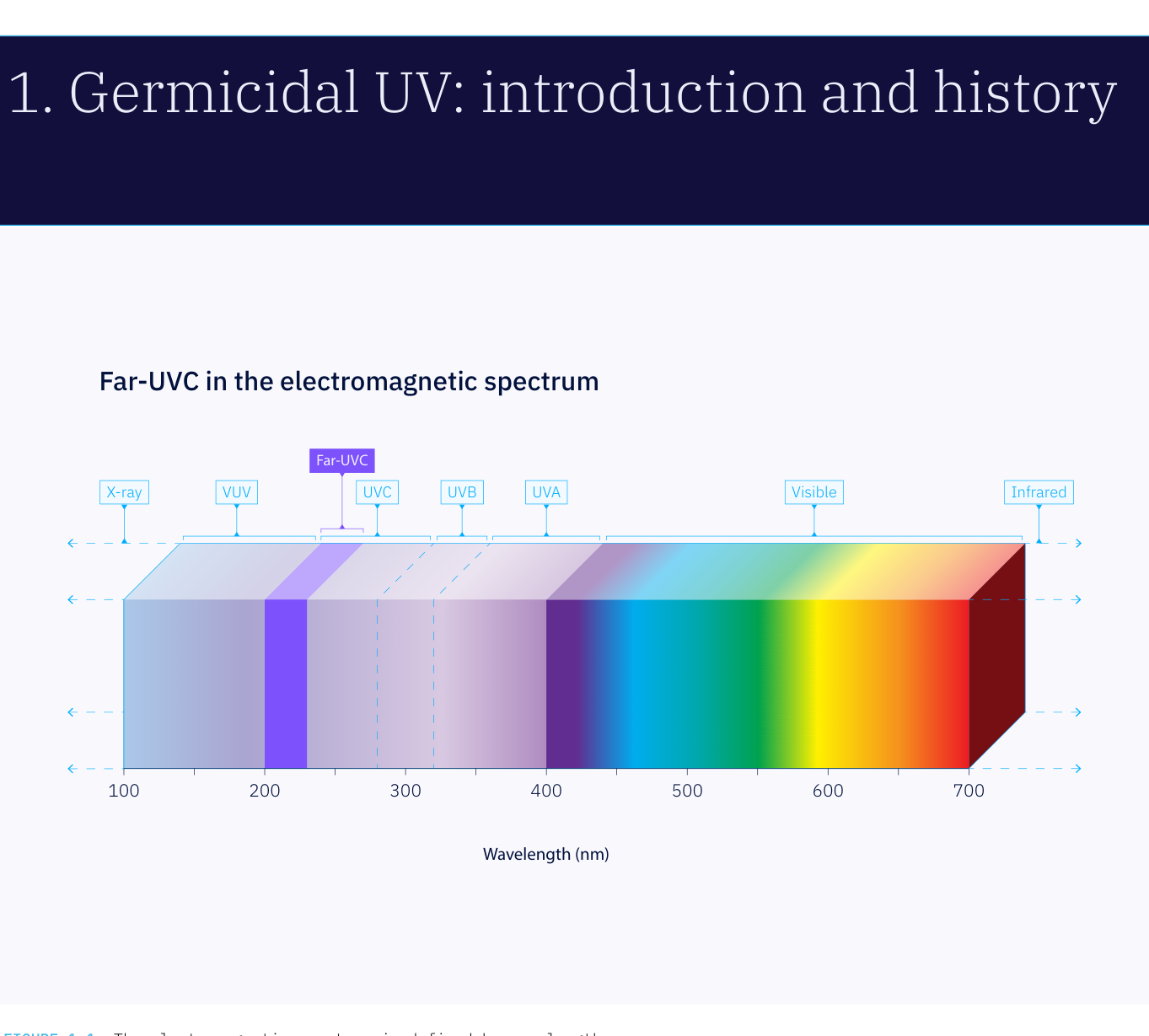
Much like visible light, UV contains different ‘colors’, and despite being invisible to the human eye, these different colors are just as distinct as red and blue (Figure 1.1). What we are familiar with as ‘blacklights’, widely used for everything from zapping mosquitoes to illuminating nightclubs, are actually part of a set of invisible colors we call ‘UVA’. By contrast, it is the invisible colors we call ‘UVB’ that are believed to be the primary cause of most skin cancers. ‘UVC’ is the name of another set of invisible colors further away from visible light in the UV spectrum, of which farUVC is a subset.
The discovery of UV’s germicidal properties
By the late 19th century, researchers began exploring both the physical and biological effects of light. In 1877, Arthur Downes and Thomas P. Blunt made a key observation when they demonstrated that sunlightwhich contains UVA and UVB—could inhibit bacterial growth2–5. They exposed test tubes containing bacteria to direct sunlight and observed that microbial growth was significantly reduced or entirely prevented. They further determined that the germicidal effect depended on the intensity and duration of exposure, with shorter wavelengths of sunlight proving most effective. In 1890, Robert Koch demonstrated the lethal effect of sunlight on Mycobacterium tuberculosis, hinting at UV’s potential for combating diseases like tuberculosis6. These discoveries laid the foundation for our understanding of the bactericidal effects of light, including what would later be recognized as the ultraviolet section of the electromagnetic radiation spectrum.
Building on this knowledge, Niels Ryberg Finsen became one of the first to harness UV for medical applications. In the late 19th century, he pioneered the use of concentrated UV therapy to treat skin tuberculosis (lupus vulgaris), a chronic infection caused by Mycobacterium tuberculosis7–9. Finsen’s therapy, which earned him the 1903 Nobel Prize in Medicine, relied on carbon arc lamps and quartz lenses to generate and focus UV light, leading to documented clinical success10.
At the same time, laboratory studies were beginning to show that UV had direct bactericidal properties. Early microbiologists such as Valdemar Bie and Sofus Bang, working under Finsen, reported that wavelengths below 300 nm were particularly effective at inactivating bacteria5,11,12. By 1903, Bang had demonstrated that concentrated UV from an arc lamp could kill Mycobacterium tuberculosis within minutes, providing some of the earliest direct evidence of UV’s germicidal effects13.
The early 20th century saw further refinements in understanding UV’s germicidal potential. Frederick L. Gates published the first precise bactericidal ‘action spectrum’—a graph showing the efficacies of different UV wavelengths at killing bacteria5,14–16. Gates demonstrated that UV wavelengths around 265 nm (within the UVC section of the UV spectrum) were the most effective for inactivating bacteria. He also tested far-UVC (225 nm) and found it to be bactericidal, but technical limitations at the time, including the low power of UV sources available at that wavelength, made it difficult for him to fully evaluate shorter wavelengths and establish a complete action spectrum.
Advancements in mercury-vapor lamp technology provided a new means of generating UV, and in particular UVC. The first mercury-vapor lamp to achieve widespread success was invented in 1901 by American engineer Peter Cooper Hewitt17. His initial design, while effective, produced a bluish-green light that limited its applications. In 1903, Hewitt introduced an improved version with enhanced color qualities, making it more suitable for industrial use18. Beyond illumination, the UV emitted by mercury-vapor lamps was soon recognized for its potential in disinfection. By 1910, the technology was being applied to water treatment, marking the beginning of UV-based sterilization methods that would later expand to air and surface disinfection19. While Finsen carbon arc lamps and quartz lenses created mostly UVA and visible light, these lamps were able to create UVC, with a peak at 254 nm, much closer to the wavelength that Gates would show to be the most effective at inactivating bacteria.
In the 1930s, physician Mildred Weeks Wells and engineer William Firth Wells began investigating how respiratory diseases spread. The husband-wife research team brought complementary expertise: Mildred’s knowledge of infectious diseases and their transmission paired well with William’s background in air and water quality engineering. Through careful experimentation and mathematical modeling, they showed that when people cough, sneeze, or breathe, they emit droplets across a spectrum of sizes20,21. Larger droplets quickly fell to the ground, while smaller ones could evaporate before settling, leaving behind ‘droplet nuclei’ that could float in the air for extended periods. This size-based behavior, later known as the Wells curve, explained why some diseases could spread through the air over considerable distances—a mechanism that differed from the dominant theory of direct droplet spread.
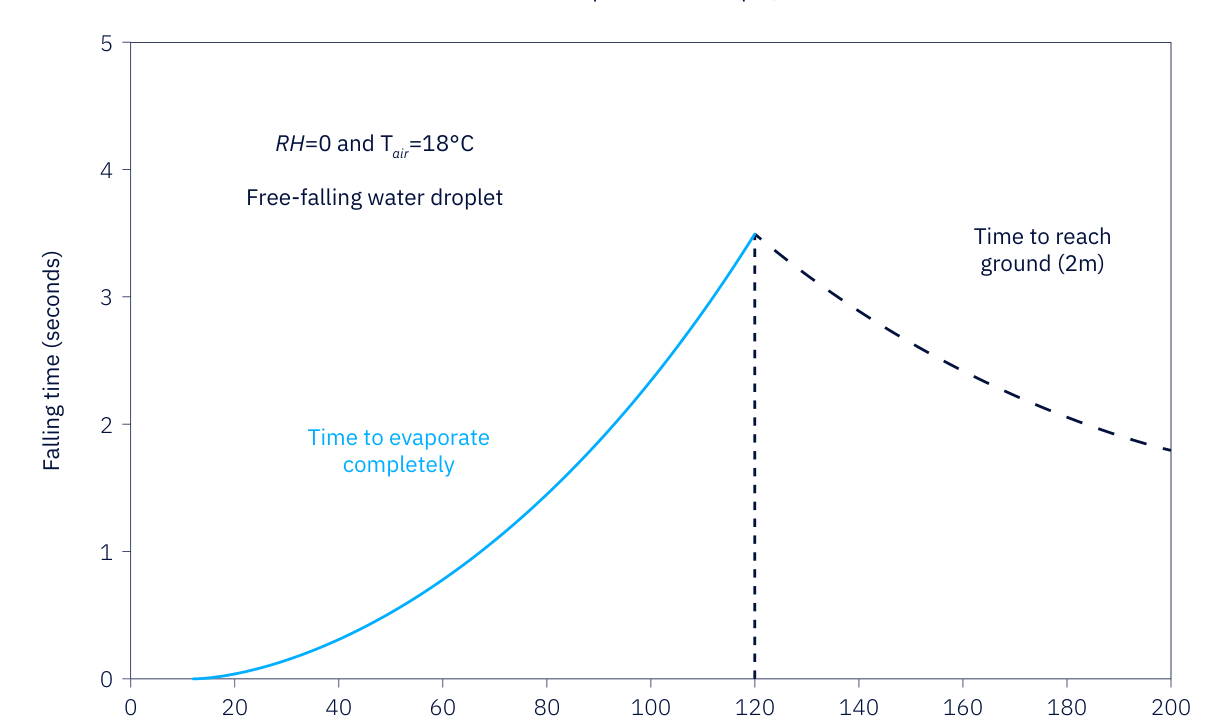
Figure 1.4. the Wells curve describes how respiratory droplets behave after being exhaled—larger droplets fall to the ground due to gravity, while smaller droplets rapidly evaporate, leaving behind airborne droplet nuclei that can carry infectious pathogens20.excerpted from yu, 201622.
As the Wells developed their theoretical understanding of airborne disease transmission, hospitals began testing UV for infection control. In 1936, Deryl Hart at Duke University Hospital sought to address persistent post-operative infections that conventional sterilization techniques had failed to prevent5,23. Initially, Hart’s team experimented with therapy UV lamps and carbon arc lamps, but these proved ineffective at reducing bacterial contamination in the operating room.
Seeking a more effective solution, they collaborated with Westinghouse Lamp Company, which supplied specially designed low-pressure mercury-vapor lamps optimized to emit germicidal UVC (commonly referred to as GUV) at 254 nm. The installation of these high-intensity UVC lamps dramatically reduced airborne bacteria, and their early studies showed a complete elimination of infections in UV-treated thoracoplasty cases, compared to a 33% infection rate in untreated cases. However, the use of UVC required strict safety measures—surgical staff had to wear goggles, tightly woven cloth hoods, and even sun helmets to protect their skin and eyes from overexposure.
Over time, the effectiveness of UVC disinfection became even more evident. A 1960 study by Hart, analyzing over 4,500 operations, found that UVC reduced post-operative wound infection rates in clean surgeries from 11.62% to just 0.24%, reinforcing its value as a powerful tool for infection control24. The results were so compelling that other hospitals quickly adopted similar systems, and Duke University Hospital continues to use UVC disinfection in its surgical suites to this day.
These results also led hospitals to explore UV applications in other settings5. At Boston’s Infants’ and Children’s Hospital, UV barriers created cubicle-like divisions designed to prevent respiratory cross-infections between patients25. Del Mundo and McKhann reported infection rates of 12.5% in control wards compared to 2.7% in wards with UV barriers26. Other hospitals documented similar reductions using both UV barriers and upper-room installations, where UV lamps irradiated only the air above people’s heads27–34. This design allowed warm air currents, generated by people’s body heat, and natural air mixing to carry exhaled pathogens into the upper UV-irradiated zone, where they were rapidly inactivated before they could be inhaled by others.
The Wells saw an opportunity to combine their understanding of airborne transmission with UV technology. In 1937, they launched a controlled study at Germantown Friends School near Philadelphia, where measles regularly swept through classrooms despite strict surface cleaning and student separation protocols. Their controlled studies compared classrooms with UV lamps installed near the ceiling, irradiating the upper unoccupied section of the room, to identical untreated rooms. In the UV-equipped classrooms, measles cases dropped by 13.3% compared to control rooms, even as cases continued spreading in nearby districts.
By 1943, the US Navy launched a systematic four-year study at its training centers, where respiratory diseases posed a serious problem among recruits. The Navy installed GUV systems in alternate barracks housing over 5,000 recruits, documenting all sick bay admissions while monitoring bacterial levels in the air. In the first year at Sampson Naval Training Center, high-intensity UV systems reduced respiratory infections by 25%, though low-intensity systems showed no effect.
However, the medical and public health community was resistant to the idea that pathogens could spread through the air. This resistance was rooted in a paradigm shift led by epidemiologist Charles Chapin in the early 1900s37. For much of history, the dominant belief was miasma theory—the idea that diseases were caused by exposure to ‘bad air’ from decaying matter. This view was gradually overturned in the 19th century by germ theory, which demonstrated that specific diseases were caused by microscopic organisms, not miasma. Chapin, a strong proponent of vaccination, pandemic response, and germ theory, argued that diseases primarily spread through direct contact and large droplets38. His work helped advance public health and infection control through hygiene, isolation, and sanitation. However, the shift went too far, and the medical community became skeptical that any airborne transmission of diseases existed, despite emerging evidence to the contrary.
The most rigorous evidence for UV’s effectiveness against airborne infection came from studies designed by William Wells and carried out by Richard Riley at a Veterans Administration Hospital TB ward between 1954 and 196139–41. The ward’s ventilation system exhausted air from TB patient rooms through chambers housing guinea pigs. Some chambers received UV-treated air, while others received untreated air. Over the two-year period, while many guinea pigs breathing untreated ward air developed TB infections, none of the animals breathing UV-irradiated air were infected. Additional compelling evidence came during the 1957 Asian influenza pandemic, when McLean and colleagues observed infection rates of only 1.9% in UV-irradiated wards compared to 18.9% in non-irradiated wards, demonstrating UV’s effectiveness against viral as well as bacterial pathogens.
This research shifted scientific consensus and ultimately led to the widespread acknowledgment of airborne TB transmission. GUV was adopted as a TB control measure in high-risk settings. However, many experts remained reluctant to generalize these findings to other respiratory diseases37. Despite its successes, interest in GUV air disinfection waned. Antibiotics revolutionized TB treatment, and a wave of new vaccines targeted diseases like diphtheria, polio, influenza, and even TB itself5. Public health officials saw these advances as the future of disease control and largely dismissed GUV as unnecessary, even for diseases accepted to have airborne transmission. Enthusiasm was further dampened by concerns about potential health effects from UV exposure and the ozone produced by early lamp designs5. Additionally, follow-up studies failed to replicate the Wells’ dramatic reductions in disease transmission in classrooms5. These studies suggested that continued transmission outside of classrooms, particularly in school buses and other communal spaces that were not protected by UV, limited the effectiveness of local UV interventions: in areas with high background infection rates, students who avoided an infection in a UV-protected classroom often caught it somewhere else instead.
The technology would not see widespread revival until the late 1980s, when an unexpected rise in TB cases and the emergence of drug-resistant strains renewed interest in environmental controls for airborne infection. Thankfully, Riley had been working amidst the skepticism to refine the practice and modeling required to utilize germicidal UV effectively. Riley and colleagues conducted detailed studies of UV air disinfection in model rooms5. These experiments revealed critical factors affecting performance: air mixing between the lower occupied space and upper UV-treated zone proved essential, with temperature gradients and ceiling fans significantly impacting this mixing44–46. Their work also showed that high relative humidity reduced UV’s effectiveness, with sharp declines in pathogen kill rates above 60–70% humidity.
Building on the Wells’ earlier work, Riley developed a model to quantify the probability of airborne infection in an indoor space. The model, commonly called the Wells-Riley model, estimates infection risk based on factors such as the number of infectious individuals, room ventilation, duration of exposure, and the pathogen’s transmission characteristics48. It remains a foundational tool for understanding airborne disease spread and evaluating mitigation strategies, including the effectiveness of UV air disinfection.
As the limitations of conventional TB control measures became clear, renewed studies on GUV demonstrated its ability to supplement other infection control strategies. Studies revisiting upper-room UV systems confirmed their efficacy in high-risk settings, such as hospitals, operating rooms, homeless shelters, and correctional facilities, led in large part by Riley and Ed Nardell, a physician at Brigham and Women’s Hospital.
This period saw a shift in institutional support, with the US Centers for Disease Control and Prevention (CDC) incorporating GUV into its guidelines for TB control in healthcare settings, marking a turning point for the technology’s acceptance58. Results of Escombe et al., 2009 confirmed that upper-room GUV radically reduced the amount of infectious TB present in the air.
Additional research throughout the 1990s refined GUV application, focusing on optimizing fixture design, air circulation, and safety measures to minimize UV exposure risks. Computational fluid dynamics models allowed researchers to predict airflow patterns and ensure effective disinfection while protecting room occupants. These advancements reinforced GUV as a viable intervention, particularly where mechanical ventilation improvements were cost-prohibitive. But outside of the specific use case of spaces that are high risk for TB, there was historically relatively little interest in the use of upper-room UV. To this day, the official guidance on the use of upper-room UV provided by CDC/NIOSH is explicitly for its use in controlling the spread of tuberculosis.
The COVID-19 pandemic, and the emergence of far-UVC
As described above, for much of the 20th and early 21st century there was skepticism that respiratory illnesses are spread by airborne transmission. During the COVID-19 pandemic, this led to slower adoption of measures widely accepted to be effective against airborne transmission of disease, including upper-room UV, ventilation, and filtration of indoor air. This has been described in detail by many of the researchers responsible for overturning the consensus during the pandemic.
Before the COVID-19 pandemic, Professor David Brenner, Director of the Center for Radiological Research (CRR) at Columbia University, was investigating shorter wavelengths of UVC for disinfection in surgical settings61,62. The aim was to identify new sources of UVC that could effectively kill pathogens without the risks of overexposure associated with conventional germicidal UV from low-pressure mercury vapor lamps. Brenner and his colleagues, especially Manuela Buonanno and David Welch, began exploring the potential of far-UVC, a subset of the UVC spectrum. They hypothesized that these shorter UVC wavelengths could inactivate microbes without penetrating human skin or eyes, due to their strong absorption by proteins.
Initial studies demonstrated that far-UVC could efficiently inactivate drug-resistant bacteria without damaging more sensitive human tissues. Early studies used krypton-bromine excimer (KrBr) lamps emitting primarily at 207 nm, which effectively inactivated bacteria while being less harmful to human skin compared to 254-nm germicidal UVC. However, krypton chloride excimer (KrCl) lamps, emitting primarily at 222 nm, became more widely available and offered a higher output intensity, making them more practical for real-world applications.
In 2018, researchers at the CRR demonstrated the first proof of concept that far-UVC could effectively inactivate viruses that cause respiratory illness, showing over 95% inactivation of aerosolized H1N1 influenza virus with low doses of 222-nm far-UVC.
This established the potential for the application of ‘whole-room’ farUVC irradiation in indoor public locations.
When COVID-19 emerged in 2020, research rapidly expanded to examine both efficacy and safety. Studies at the CRR demonstrated far-UVC’s effectiveness against coronaviruses, while Ewan Eadie and colleagues at the photobiology unit at Ninewells Hospital at the University of Dundee showed that properly filtered far-UVC produced no skin erythema (sunburn) even at a dose more than 500 times higher than the consensus exposure limits at the time67,68. The research conducted at Ninewells confirmed that filtering out longer UV wavelengths from far-UVC emitters was important—unfiltered sources could cause erythema, while properly filtered devices showed no acute effects.
In 2022, the first study of far-UVC at room-sized scale was published, showing remarkable efficacy against airborne bacteria70.
However, despite the technology’s promise, widespread adoption of far-UVC during the COVID-19 pandemic faced several significant barriers. Early in the pandemic, the medical community had not yet accepted airborne transmission, which meant that prevention efforts focused primarily on surface disinfection and droplet precautions rather than air disinfection technologies37,60. Even after airborne transmission was widely accepted, implementation guidance remained unclear for farUVC. Unlike upper-room GUV systems, which had decades of established protocols, there was limited practical experience, no authoritative guidance, and no agreed-upon standard for assessing the safety and efficacy of whole-room far-UVC deployment.
In addition, there are not yet any large-scale clinical trials demonstrating farThis document represents our assessment of the state of knowledge of the use of far-UVC to control the transmission of airborne disease. While there is uncertainty, as there is with any technology at this early stage, the potential for far-UVC is supported by quality research. The amount of available funding and the number of researchers, engineers and policymakers engaged with the technology is not commensurate with its tremendous potential.-UVC’s real-world effectiveness at blocking human-to-human transmission. This hinders acceptance of and advocacy for the technology by many important institutions, who are understandably risk-averse at the prospect of increasing the public’s exposure to any form of radiation. It is also unreasonable to expect laypeople to establish the veracity of manufacturers’ claims about efficacy and safety. Many air cleaning technologies have been offered to the market that are at best ineffective and at worst actively harmful, and there is a need to produce an evidence base that secures the endorsement of safe and effective technologies from trusted institutions.
This document represents our assessment of the state of knowledge of the use of far-UVC to control the transmission of airborne disease. While there is uncertainty, as there is with any technology at this early stage, the potential for far-UVC is supported by quality research. The amount of available funding and the number of researchers, engineers and policymakers engaged with the technology is not commensurate with its tremendous potential.
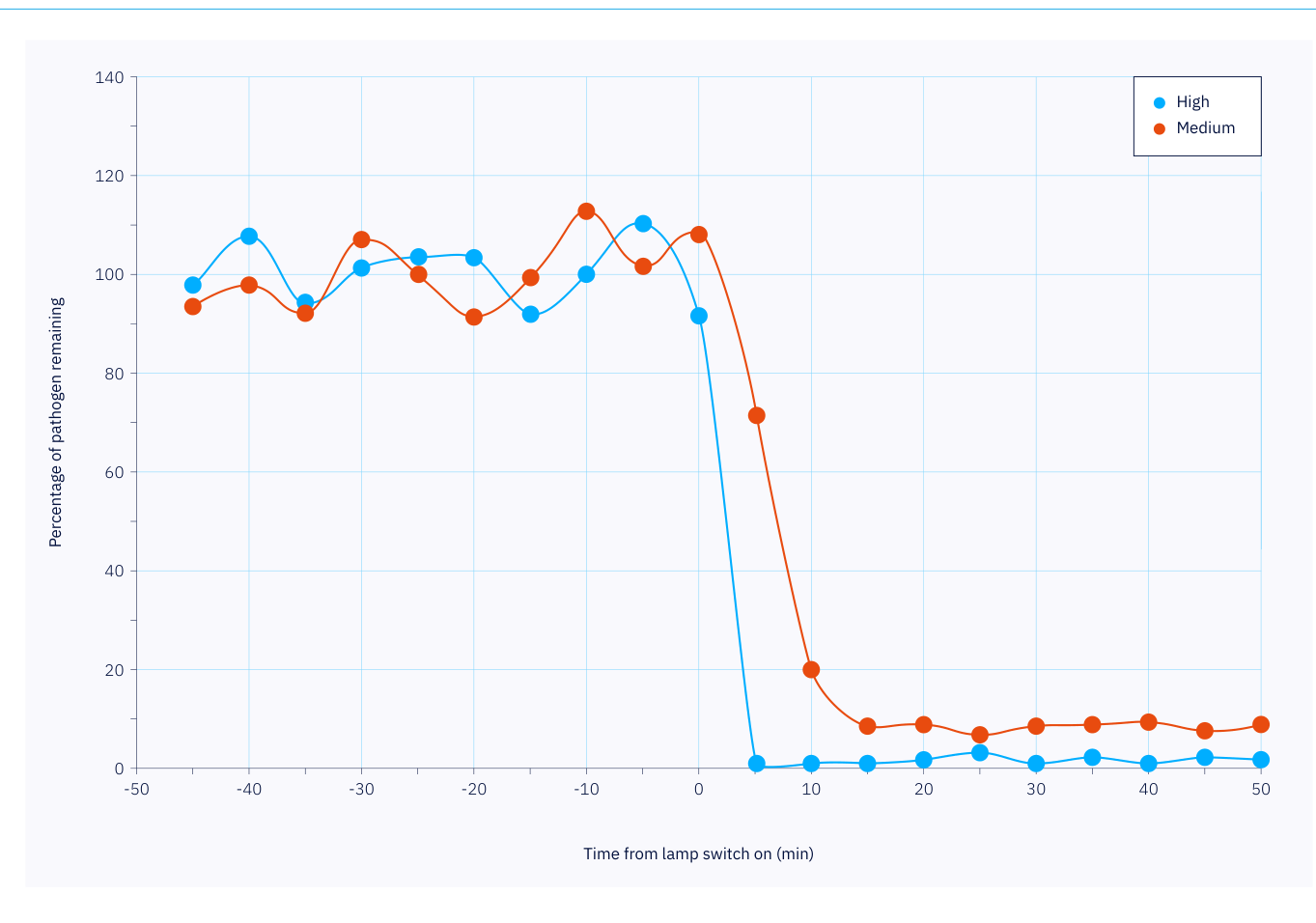
Figure 1.6. far-Uvc (222 nm) exposure dramatically reduced airborne Staphylococcus aureus in a room-sized chamber, achieving up to 98.4% pathogen reduction at exposure levels consistent with safety guidelines70.
2. Far-UVC primer
This section provides foundational concepts and terminology used throughout the rest of this document. The section ensures all readers have access to the same background knowledge, but readers need not read it all at once. Readers familiar with these concepts are welcome to skip sections, or proceed directly to later sections if comfortable with UV physics and terminology and return to relevant sections when additional context would be helpful.
The electromagnetic spectrum
Radiation is energy transmitted through space as a particle or wave. The electromagnetic (EM) spectrum encompasses all energy that is transmitted in the form of electromagnetic waves. The fundamental unit of electromagnetic radiation is a photon.
Visible light is one section of the EM spectrum, although other sections of the EM spectrum are often colloquially referred to as ‘light’. ‘Ultraviolet light’ is one such example of this, and devices that produce ultraviolet (UV) radiation are often called ‘lamps’. In this document, we reserve the term ‘light’ to mean ‘visible light’ for clarity and consistency, although we do refer to ‘lamps’ that produce UV radiation.
The energy of a photon with wavelength λ (in meters) is given by:
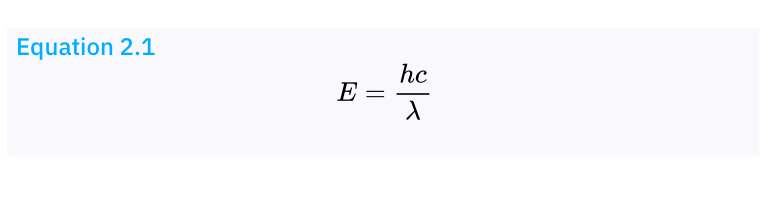
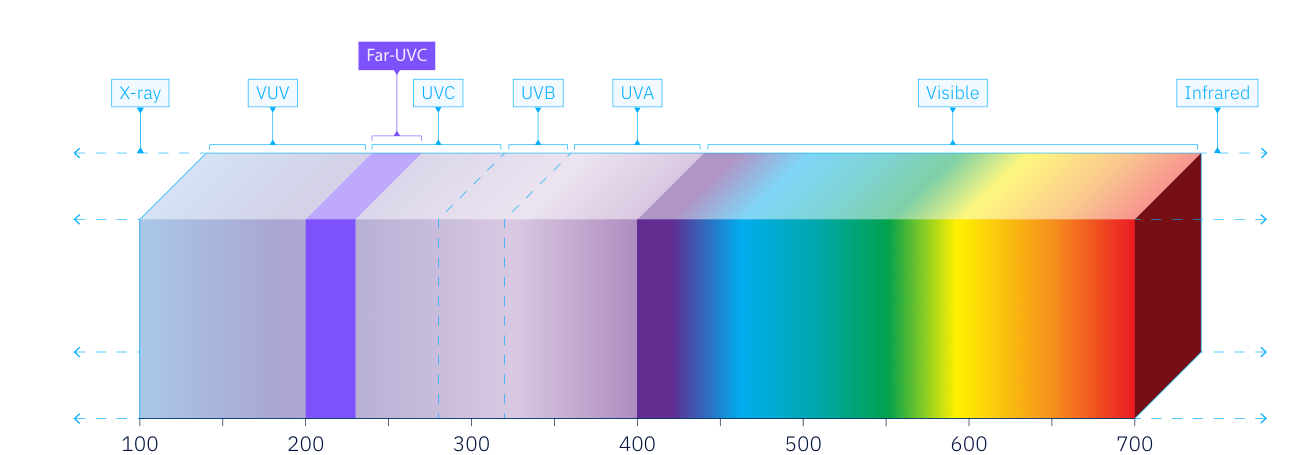
where h is the Planck constant (6.626×10⁻³⁴ Js), and c is the speed of light in a vacuum (2.99×10⁸ ms-1). Note that photon energy is inversely proportional to the wavelength, so short wavelength x-ray or gamma ray photons transmit more energy than longer radio waves or microwaves. Listed here in ascending order of wavelength, the EM spectrum includes: gamma ray, x-ray, ultraviolet, visible light, infrared, microwaves, and radio waves1. Figure 2.1 shows the ultraviolet and visible portion of the spectrum, which is most relevant for understanding far-UVC applications.
Ultraviolet radiation
Many of the EM bands are well known to the general public, including visible light, microwaves, x-rays, and the focus of this section, ultraviolet (UV) radiation. UV is further divided into partially overlapping subcategories:
- UVA (320–400 nm) has the longest wavelength and lowest photon energy within the UV spectrum. UVA is an important component of the sunlight that reaches the earth’s surface. It penetrates more deeply into the skin than other UV subtypes. Excess UVA exposure is a risk factor for erythema (sunburn), cataracts, some forms of skin cancer, and skin aging.
- UVB (280–320 nm) is shorter in wavelength, thus higher energy per photon, than UVA. Similar to UVA, it is a component of sunlight and excess exposure is strongly associated with erythema, skin cancer, cataracts, eye surface pathologies (e.g., pterygium and pinguicula), and skin aging. Moreover, it can damage cellular DNA.
- UVC (200–280 nm) has shorter wavelengths and higher energy than UVA and UVB. While it is a component of solar radiation, UVC is almost fully absorbed by the Earth’s stratospheric ozone layer2. UVC efficiently damages the DNA of microorganisms, such as bacteria and viruses. UVC lamps, and particularly mercury vapor lamps that primarily emit 254-nm UVC, have been used in various germicidal applications for over a century. 254-nm UVC penetrates skin and eyes less efficiently than UVB, although 254 nm exposure limits are not significantly different to 280–300-nm UVB.
- Far-UVC (200–235 nm) is a subset of UVC that penetrates human skin and eyes less as compared to longer UVC wavelengths. This results in lower risk of tissue damage and thereby allows for higher human exposure limits (see Skin and eye safety section)3,4.
- Vacuum ultraviolet (VUV, definitions range from 10 to ~120 nm at the low end to 180–200 nm at the high end) can be considered a subset of UVC, or considered its own section of the EM spectrum. At wavelengths below 200 nm, there is a marked increase in the absorption of photons by O2 molecules, resulting in significant ozone (O3) generation. VUV is so named because it can only propagate effectively in a vacuum or in an environment free of oxygen (such as in a controlled gas like argon): in environments with oxygen the photons are quickly absorbed. VUV is not used for disinfection in occupied spaces due to this absorption by oxygen and generation of ozone, but it has niche applications in industrial and laboratory settings including municipal wastewater treatment5.
- Extreme ultraviolet (EUV, 10–121 nm) can be considered as a separate section, or it can be seen as overlapping with VUV, or as a subset of VUV. It is used in industrial applications, for example in semiconductor manufacturing.
Ionizing and non-ionizing radiation
Radiation is conventionally categorized into ionizing and non-ionizing radiation. This categorization has significant implications for how the risks of radiation exposure are managed, and how they are understood by the general public.
Ionizing radiation consists of EM waves with much higher photon energies than far-UVC, such as extreme UV, x-rays and gamma rays, as well as alpha particles, beta particles and neutrons emitted by atoms undergoing radioactive decay.
Ionizing radiation is so called because it has sufficient energy to remove tightly bound electrons from atoms, creating positively charged ions. These ions can directly interact with and damage essential structures in cells such as DNA, or they can result in free radical production that indirectly damages DNA or other cellular structures. Ionizing radiation exposure is strongly associated with DNA mutation, which can lead to cancer, or at high doses can cause cell death6,7. Because of these risks, exposure to ionizing radiation is carefully regulated and controlled in medical and industrial settings.
EM waves with lower energy levels, such as radio waves, microwaves, infrared, visible light, UVA, UVB, and UVC are classified as non-ionizing radiation. While non-ionizing EM photons do not have enough energy to ionize most atoms, they can still cause biological effects, for example through heating or photochemical reactions.
While categorized as non-ionizing radiation, far-UVC photons do have sufficient energy to ionize some atoms. For example, a 222-nm far-UVC photon has 5.58 electron volts (eV) of energy, which is sufficient to ionize alkali metals, and photons in the UVB range are capable of ionizing caesium8. In this sense, far-UVC radiation can be ‘ionizing’ by a literal definition of the term. However, due to its inability to ionize atoms typically found in biological systems, far-UVC is classified as nonionizing radiation.
Key definitions
TABLE 2.1. Key units and definitions.
| Concept Radiant energy | Definition9 The total energy emitted, transferred, or received as radiation in a defined period of time. | Unit Joules (J) |
|---|---|---|
| Radiant power (or radiant flux) | Radiant energy emitted, transferred, or received per unit of time. | Watts (W) or J/s |
| Irradiance | Radiant power incident from all upward directions on a small surface divided by the area of the surface. | W/m2 |
| Fluence rate (or spherical irradiance) | Radiant power incident from all directions onto a small sphere divided by the cross-sectional area of that sphere. | W/m2 |
| Fluence (or radiant exposure) | Radiant energy incident from all directions on a small sphere divided by the cross-sectional area of that sphere. | J/m2 |
| Dose (informal) | Fluence (or equivalent when considering irradiance rather than fluence rate). | J/m2 |
Irradiance and fluence rate both measure the amount of radiant power over a small area. As such, they are typically used to measure how much far-UVC radiation a person or space is exposed to. The difference is illustrated in Figure 2.2 below—fluence rate encompassesradiant power emitted onto the area from all directions, whereas irradiance includes only radiant power from one direction above a surface (for example, from the sun to the surface of the earth).
For UV disinfection of air and water, fluence rate is generally the applicable concept. For human skin and eye exposure, and for disinfection of surfaces, the applicable concept is generally irradiance.
In the most general terms, energy is the integral of power over time. Thus, fluence is the integral of fluence rate over time. In the simplest case, exposure to a uniform fluence rate of 1 W/m2 means that every second the fluence delivered is 1 J/m2.
Research and guidance on the use and safety of germicidal UV often refers to the concept of dose. In the context of UV air disinfection, dose is based on fluence rate and has the same definition as fluence or radiant exposure. In the context of assessing UV exposure to human skin and eyes, dose is based on irradiance.
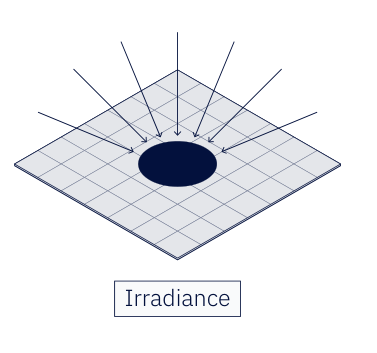
Figure 2.2. Irradiance versus fluence rate. source: Ultraviolet germicidal irradiation handbook5.
Angular dependence
An important concept in electromagnetic radiation is angular dependence, which we experience in our everyday exposure to solar UV. Radiation has direction, and when the angle of incidence is perpendicular to the surface of an object the radiant power is spread over the smallest possible surface area. As the angle of incidence departs from the perpendicular, the same radiant power is spread over a larger surface area, so each part of that surface receives less radiation.
Angular dependence is mathematically described by Lambert’s cosine law, meaning radiant power is proportional to the cosine of the incident angle on the surface.
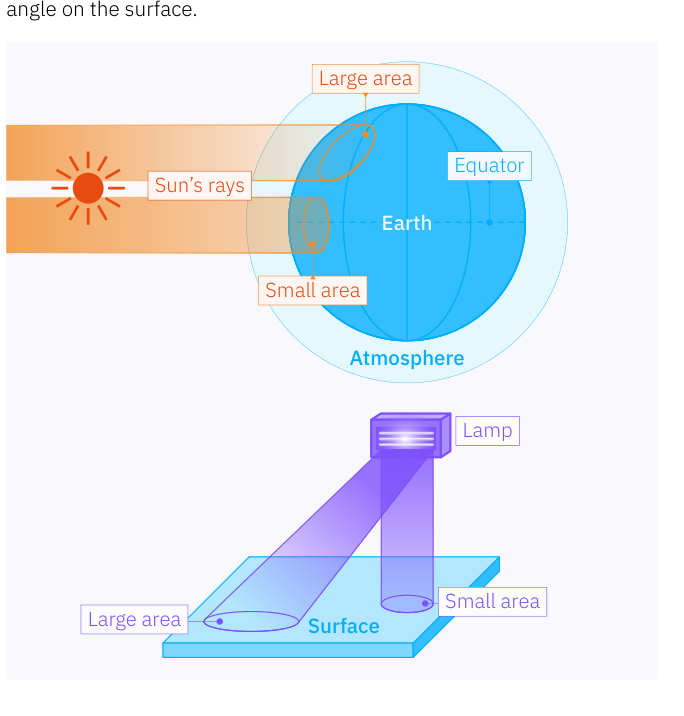
FIGURE 2.3. Illustration of angular dependence. Source: Peter
Halasz on Wikipedia, licensed under CC BY-SA 2.510.
Inverse square law
The inverse square law describes the relationship between fluence rate (or irradiance) and distance from an ideal point source in a system where no UV-absorbing compounds are present. An ideal point source is one that is assumed to emit photons uniformly in all directions. For this source type, fluence rate will decrease with the square of distance from the source. In other words, when an object’s distance from the radiation source is doubled, the fluence rate reduces to ¼, and so forth as illustrated in Figure 2.4.
Because air is a weak absorber of UVC radiation, the inverse square law provides a rough understanding of the spatial distribution of fluence rate as related to UVC source location, even though real UVC sources are not ideal point sources. The practical import of the inverse square law is that fluence rates are significantly higher closer to the source, so that (for example) the areas directly next to a UVC lamp will have much higher fluence rates than those further away.
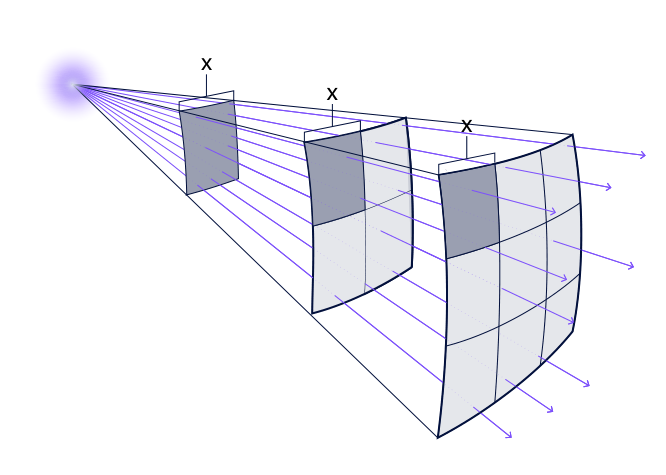
Figure 2.4. inverse square law. the fluence rate—represented pictorially by the density of the rays emitted from the point source—decreases with the square of the distance from the Uv source. source: Borb on Wikipedia, licensed under cc By-sa 3.011.
A chromophore is any molecule, or part of a molecule, that absorbs a specific wavelength of electromagnetic radiation. For example, O2 is a chromophore of UV radiation of wavelengths less than 242 nm, whereas food colorings contain chromophores of visible light. An important chromophore for far-UVC is the peptide bonds that link amino acids to form proteins12, and there are many UV chromophores in commonly used materials (see UVC impact on materials section).
Action spectra
An action spectrum describes the relative effectiveness of different wavelengths of radiation at producing a specific biological effect, such as DNA damage, pathogen inactivation, or sunburn. In the context of UV radiation, the action spectrum is crucial, because various wavelengths are differentially absorbed by tissue, cells, and cellular components such as DNA, proteins, and lipids. An action spectrum is determined through experimental studies that measure a biological response to various wavelengths of UV radiation, ideally using tunable, (nearly) monochromatic sources of radiation with a single wavelength.
Action spectra help us understand how different wavelengths of radiation affect biological systems, including human skin, cell types, or tissues, as well as microbial pathogens. For example, Figures 2.5 and 2.6 show the action spectra for the propensity of proteins and nucleic acids to absorb photons of different wavelengths. Higher relative absorption means that it is more likely that a photon will interact with a molecule and produce a photochemical and/or photobiological effect.
The protein and nucleic acid absorbance spectra show that absorption properties can be highly nonlinear, and are not simply a function of wavelength and photon energy. When we then consider complex phenomena like skin cancer, the action spectra can be non-intuitive. For example, the action spectrum for non-melanoma skin cancer peaks sharply in the UVB range3.
The cancer risk of UVB is orders of magnitude higher than that of UVC and UVA. This is due to the interaction of certain properties of UVB (penetration depth, propensity to damage DNA) with properties of the body (skin structure and the photon absorption properties of nucleic acids and proteins) (see Evaluating cancer risk section).
It is therefore not the case that we can use simple heuristics like “higher energy photons are always more dangerous,” or “lower energy photons are less effective at killing pathogens.” It depends on a combination of complex photochemical properties of particular macromolecules in specific cells, tissues, and complex biological systems.
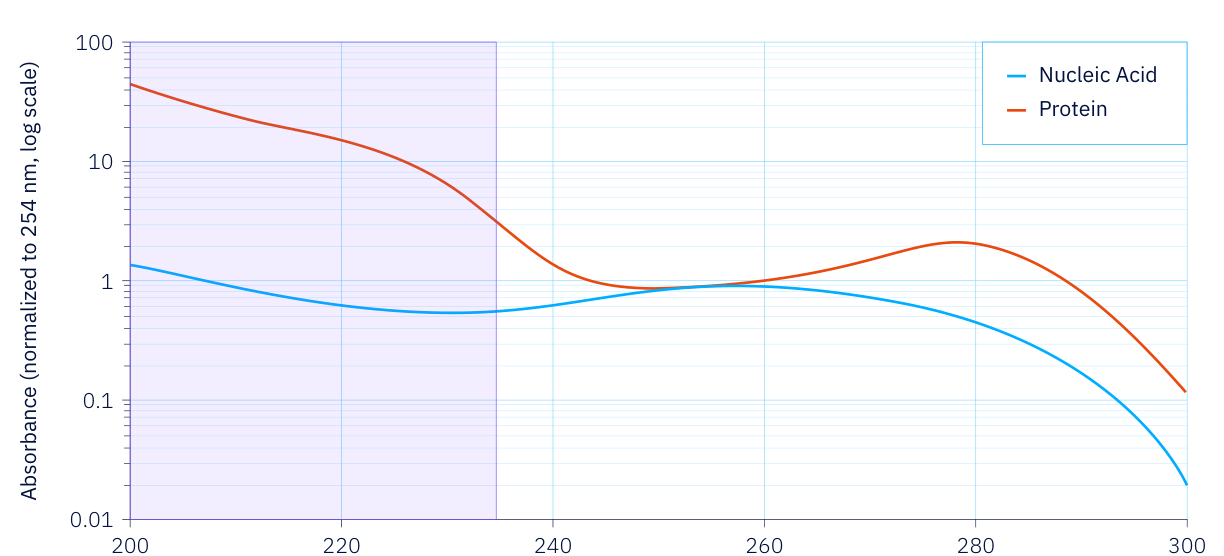
Figure 2.5. excerpted from iUva, 20211; original sources setlow and doyle, 195713 and voet et al., 196314. nucleic acid and protein absorbance spectra by wavelength, normalized to 254 nm on a logarithmic vertical scale.
Figure 2.6. excerpted from iUva, 20211; original sources setlow and doyle, 195713 and voet et al., 196314. nucleic acid and protein absorbance spectra by wavelength, normalized to 254 nm on a linear vertical scale.
UV exposure limits
Exposure limits for UV radiation are based on action spectra. These action spectra are provided by organizations such as the American Conference of Governmental Industrial Hygienists (ACGIH) and the International Commission on Non-Ionizing Radiation Protection (ICNIRP). These action spectra were originally established in the 1970s, although ACGIH updated theirs in 2022 based on recent research into far-UVC skin and eye safety15.
The ACGIH exposure limits are called Threshold Limit Values (TLVs). ICNIRP exposure limits are sometimes colloquially referred to as ‘TLVs’, but this is a trademarked term by ACGIH for all of their recommendations across industrial hygiene, not just UV exposure limits.
Both ICNIRP and ACGIH recommend a spectrally weighted UV exposure limit of 3 mJ/cm2 over 8 hours in a 24-hour period. Each wavelength is assigned a spectral effectiveness value S(λ) that reflects its relative biological impact. The actual (unweighted) UV dose at each wavelength is multiplied by its S(λ) value, and these weighted doses are summed to calculate the total spectrally weighted dose. In practice, this means that wavelengths considered to be more hazardous count more towards the exposure limit. This total spectrally weighted dose must remain below 3 mJ/cm2 to stay within the exposure limit.
As with other action spectra, S(λ) is conventionally presented in a normalized form such that the maximum value (1) is observed at the wavelength that has the greatest potential to cause the relevant effect. For example, the ACGIH Eye and ICNIRP values of S(λ) are based on the photokeratitis (inflammation of the cornea) action spectrum. A higher S(λ) means that UV at that wavelength contributes relatively more towards the 3 mJ/cm2 weighted exposure limit.
As can be seen from Figures 2.7 and 2.8, S(λ) for different UVC wavelengths ranges across more than 1.5 orders of magnitude according to ICNIRP, and more than 2.5 orders of magnitude according to ACGIH. Some UVC wavelengths therefore contribute dramatically more towards the 3 mJ/cm2 limit than others, with far-UVC wavelengths contributing the least.
This dynamic can be illustrated in the exposure limits for the most widely-used far-UVC source, a krypton chloride excimer (KrCl) lamp. These lamps produce predominantly, but not exclusively, UVC with a wavelength of 222 nm. For some optically-filtered KrCl lamps, the exposure limit may be close to a hypothetical source that emitted only 222 nm. However, for others—especially unfiltered or poorly filtered lamps—the exposure limit can vary significantly, due to the fact that they also emit higher wavelengths with a much larger S(λ).
Though these unweighted emission spectra appear similar on a linear scale, even a small emission at (for example) 259 nm in the case of the unfiltered lamp has a profound effect on the spectrally weighted exposure. This is because relative spectral effectiveness of 259 nm, according to the ACGIH Eye S(λ) as displayed in Figure 2.7, is over 50 times higher than that of 222 nm, and therefore exposure to the same dose of 259-nm radiation counts 50 times more towards an individual’s exposure limit. If a person was subject to the same irradiance from each of these two lamps, they would exceed exposure limits for the unfiltered lamp 3 times faster than for the filtered lamp.
While far-UVC has lower spectral effectiveness than higher wavelength UVC, and therefore higher safe exposure limits, it is nevertheless still crucial to adhere to these exposure limits. It is remaining within exposure limits that makes any form of electromagnetic radiation safe, rather than any wavelength being universally safe or unsafe.
What makes far-UVC promising is that studies have demonstrated significant pathogen inactivation while remaining well within human exposure limits. This means a dose that is safe for human exposure can still effectively reduce airborne infectious particles (explored further in the Efficacy section).
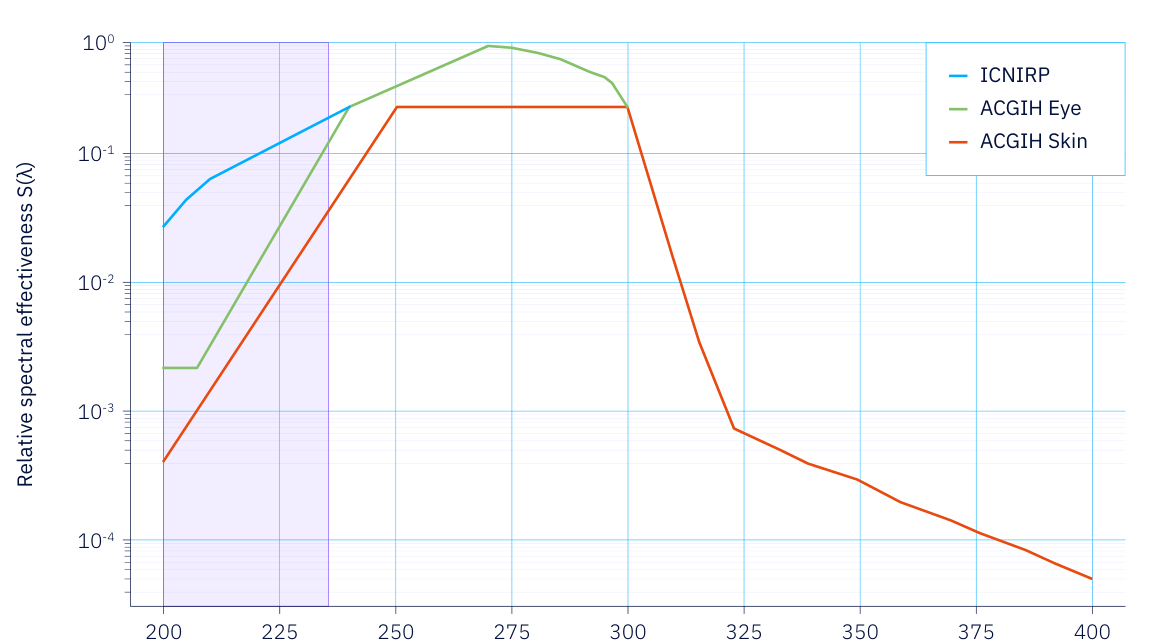
Figure 2.7. excerpted from görlitz et al., 2024. acgih and icniRp relative spectral effectiveness by wavelength on logarithmic vertical scales3.
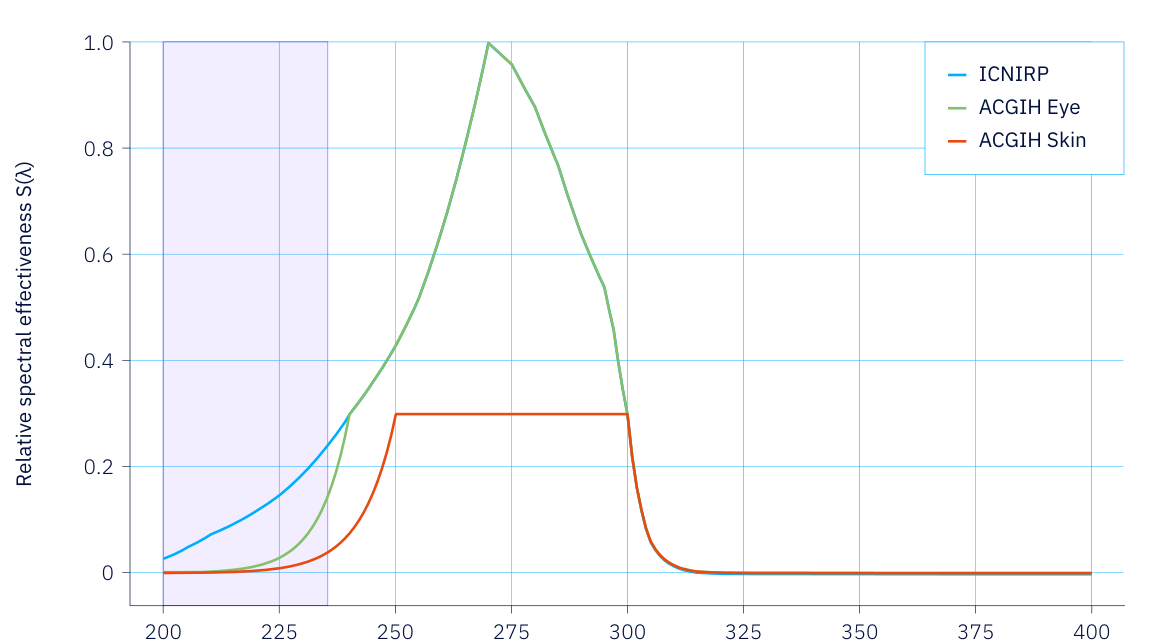
Figure 2.8. excerpted from görlitz et al., 2024. acgih and icniRp relative spectral effectiveness by wavelength on a linear vertical scale3.
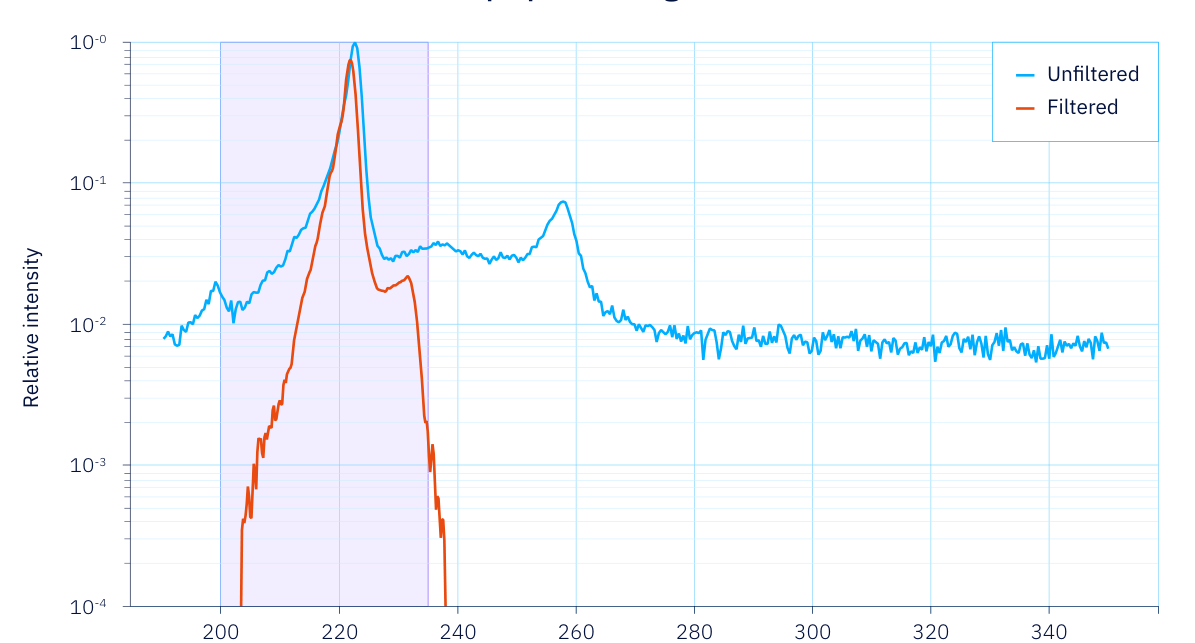
Figure 2.9. comparison of the weighted and unweighted relative intensity emitted by two different far-Uvc fixtures, logarithmic scale. data from the oslUv project16.
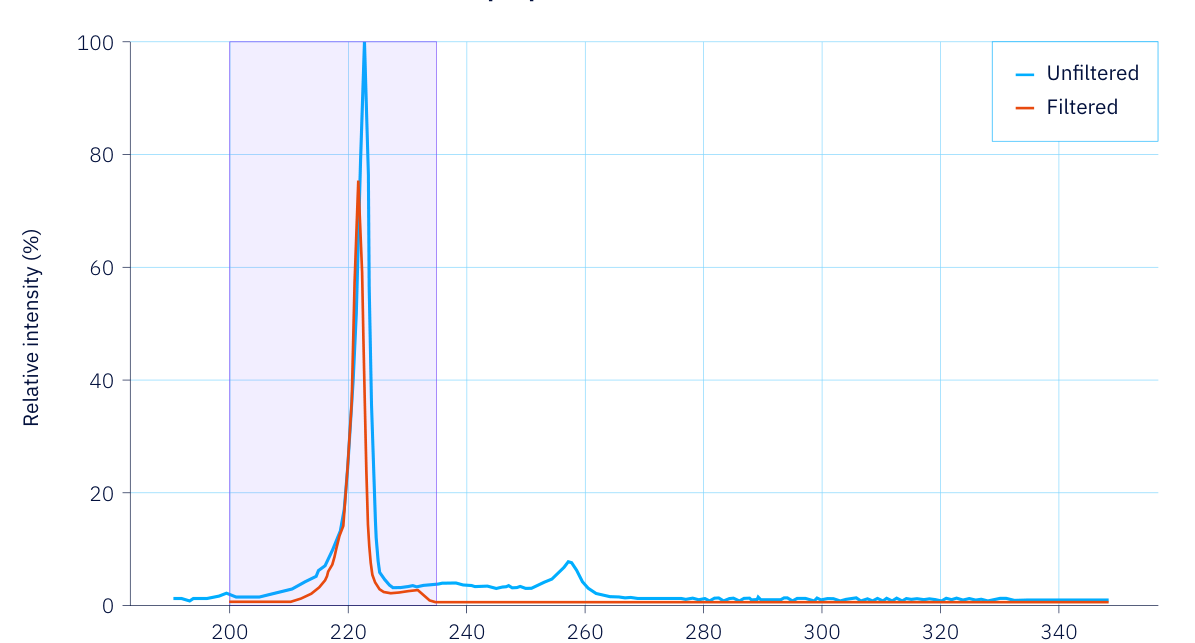
Figure 2.10. comparison of the weighted and unweighted relative intensity emitted by two different far-Uvc fixtures, linear scale. data from the oslUv project16.
Germicidal UV applications
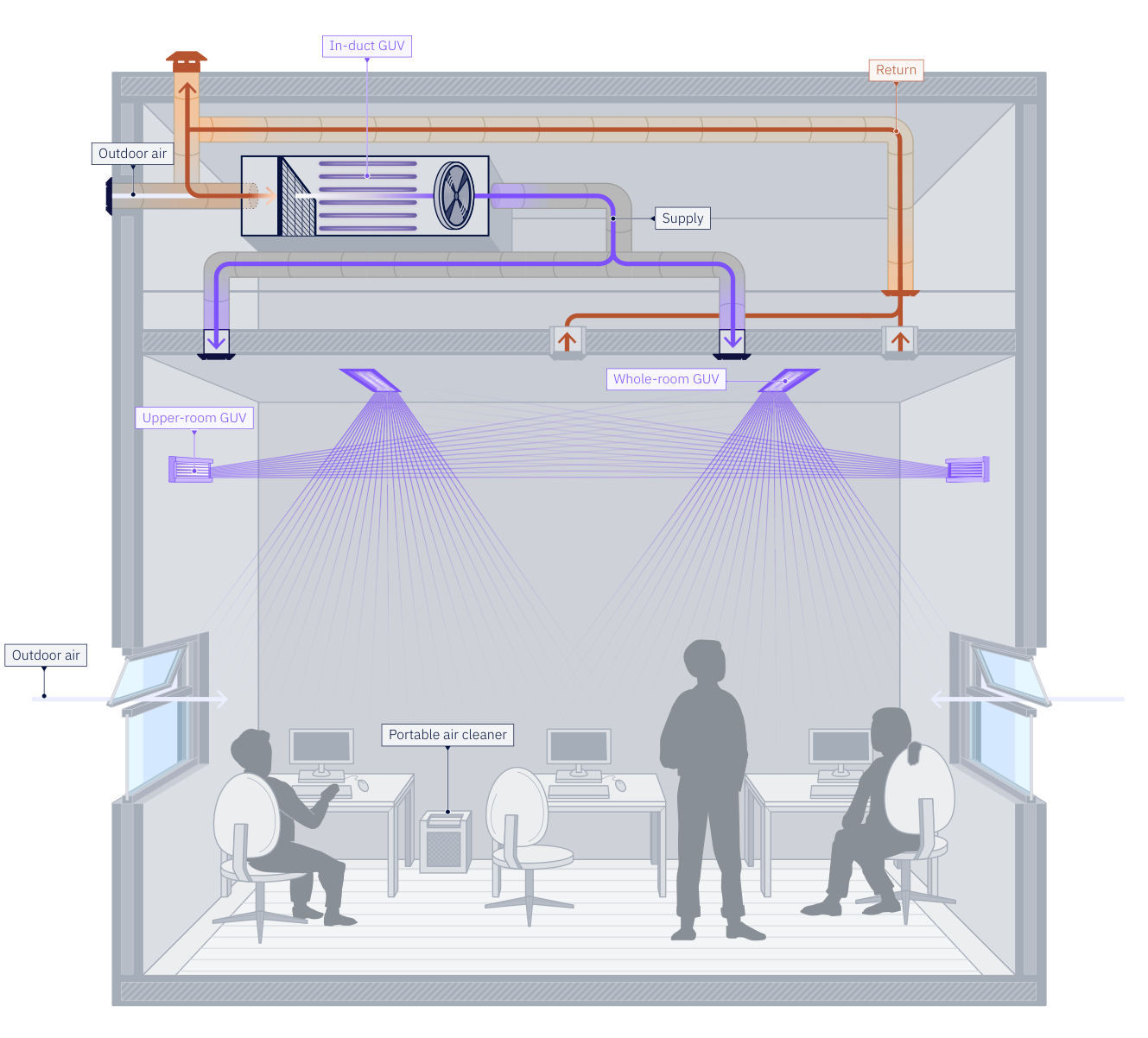
Figure 2.11. strategies for disinfecting indoor air with gUv. figure by Blueprint Biosecurity.
There are three primary strategies for deploying germicidal ultraviolet radiation (GUV) which are outlined in Figure 2.11. These are upper-room GUV, in-duct GUV, and whole-room GUV.
Upper-room GUV fixtures are mounted high on walls or ceilings. They direct UVC radiation into the upper portion of the room, away from occupants. Air circulation within the room—generated from natural convection, HVAC, or fans—moves air between the lower occupied space and the irradiated zone in the upper room. Upper-room GUV must be carefully designed and installed by professionals to ensure safety for occupants.
Whole-room GUV systems disperse UV throughout the entire space, providing continuous disinfection of air and surfaces in occupied areas. Far-UVC is the only form of UV thought to be viable for whole-room disinfection of occupied spaces, due to the higher exposure limits recommended by ACGIH and ICNIRP.
In-duct GUV systems are installed within HVAC systems to disinfect recirculating air, thus reducing the concentration of airborne pathogens in a room through dilution. In-duct systems are conceptually similar to outdoor air ventilation and filtration of recirculating air.
Effectiveness, efficacy, and susceptibility
Finally, there are three different concepts that need to be distinguished when discussing how well far-UVC works.
Effectiveness refers to how well far-UVC reduces disease transmission in real-world settings. For example, if far-UVC were installed in a school classroom or an urgent care waiting room, how many illnesses would it prevent?
Efficacy refers to how well far-UVC inactivates pathogens under controlled conditions. This is typically measured as a reduction (or log reduction) in pathogen concentration compared to controls. In the context of air disinfection it can be expressed in terms of equivalent air changes per hour (eACH) or clean air delivery rate (CADR).
Susceptibility, typically expressed as a k or z value, describes how sensitive a particular pathogen is to far-UVC exposure. It is measured by the pathogen’s dose-response relationship to UV and can vary significantly between different pathogens and in different experimental conditions.
For more discussion on these topics, see the Efficacy section.
3. Efficacy
Summary
Far-UVC can inactivate a very wide range of pathogens. Some important pathogens (such as coronaviruses) appear to be especially susceptible. But the critical question is not whether far-UVC inactivates pathogens, but how well; in other words, how much far-UVC do we need to render an occupied indoor space safe.
This section provides an analytical framework and explains the evidence for far-UVC’s promise as an air cleaning technology. The most widely quoted study is Eadie et al., 20221, where a realistic use of far-UVC reduced airborne bacteria by 98.4% in a room-sized chamber. This section highlights the wider evidence base and the importance of gaining a better understanding of things we’re currently uncertain about, as well as the implications of these uncertainties on the practical application and overall promise of far-UVC for suppressing airborne transmission.
Clinical trials studying how many airborne infections can be prevented by environmental or ‘place-based’ interventions like far-UVC are difficult to adequately power, due to challenges associated with studying places rather than people and transmission rather than illness. This section explains those challenges and introduces an alternative engineering approach that has been developed to quantify how well air cleaning technologies work, placing the evidence for far-UVC’s efficacy in the context of that engineering framework.
We do not believe that an engineering and modeling approach is a complete substitute for demonstrating effectiveness through clinical trials, and the challenges associated with these need to be overcome. However, the engineering approach is necessary to design effective far-UVC installations in a wide range of environments, as would need to be done for a clinical trial, and also to interpret and extrapolate the results of any clinical trial to different environments.
- From experimental data to date, there is order of magnitude variation in susceptibility to far-UVC of different aerosolized pathogens and in different experiments.
- If the higher estimates of pathogen susceptibility are true, far-UVC may compare favorably to existing technological approaches on cost, energy efficiency, and the total amount of achievable disinfection.
- However, if the lower estimates of pathogen susceptibility are correct, then far-UVC compares less favorably to existing technological approaches such as ventilation and filtration, and practical application will be more challenging, as larger doses of far-UVC would be required to be efficacious.
- Most research into far-UVC germicidal efficacy to date has been conducted in pathogens aerosolized in media that are importantly different to human respiratory aerosols. In particular, we’d expect the protein content of human respiratory aerosols to attenuate the efficacy of far-UVC to some degree relative to a water-based medium, but the extent of this is currently unknown.
- Human-to-animal studies are one option with historical precedent for studying efficacy of far-UVC against pathogens contained in respiratory aerosols.
- Assumptions about air mixing and the impact of ventilation regimes are likely to affect how we translate experimental findings to practical applications, and more research is needed in this area.
- While this report is primarily focused on long-range airborne disease transmission, if far-UVC efficacy for short-range transmission proves favorable, the value of far-UVC potentially increases significantly.
- Resolving these uncertainties is critical to producing practical deployment guidance
Analysis
Key concepts
Disease transmission
We can broadly categorize respiratory disease transmission into three modes: long-range airborne, short-range airborne, and droplet transmission. Diseases can be primarily transmitted through one of these modes or through multiple modes, and the precise boundaries between these modes of transmission are an area of active research and debate2.
Long-range airborne transmission occurs when pathogens are mixed into and diluted by the air in a space. In this scenario, viable pathogens emitted by an infectious person disperse throughout the space and become relatively evenly distributed due to air currents and mixing. The time between emission and potential inhalation by others is typically minutes or longer. To model transmission risk in these cases, we use the average concentration of pathogen in the room air based on an assumed even distribution.
Short-range airborne transmission occurs when someone inhales a concentrated plume of respiratory aerosols directly from an infectious person’s exhaled breath, cough, or sneeze before it has been substantially diluted by room air. Rather than being characterized by average room concentrations, this form of transmission involves exposure to localized high concentrations of pathogens over very short time periods (seconds). A common example would be being downwind of someone’s cough or in their exhaled breath plume.
Speaking, coughing, or sneezing generates droplets and disperses them into the air. Droplet transmission traditionally refers to larger respiratory particles that travel ballistically (like tiny projectiles) rather than floating in air currents, typically depositing within 1–2 meters. However, the distinction between ‘droplet’ and ‘airborne’ is increasingly recognized as oversimplified, with particle size, environmental conditions, and air flows all affecting how long particles remain airborne.
The dominant mode of transmission in any given scenario depends on multiple environmental and built environment factors including ventilation design, air mixing, room layout, and occupant density. Consider two illustrative examples: in a classroom with ceiling fans providing good air mixing but minimal ventilation (low air changes per hour), one student’s sneeze will initially create a concentrated plume that could cause shortrange transmission to nearby students. However, over minutes those particles will become mixed throughout the room air, transitioning to a relatively uniform concentration that poses a long-range transmission risk to all occupants. In contrast, in a space with a strong directional ventilation system that quickly removes air from the space, someone’s sneeze might create a concentrated plume that is carried by the air flow toward anyone downwind before being removed by the ventilation system. In this case, the short-range transmission risk to people in the path of the ventilated plume may dominate over long-range transmission risk from well-mixed room air.
In this section, we focus primarily on analyzing far-UVC’s potential effectiveness against long-range airborne transmission, where we can reasonably model pathogen concentrations and decay rates averaged across a space. The potential effectiveness against short-range transmission, where pathogens may have minimal exposure time to farUVC before being inhaled, requires different analytical approaches (see for example Henriques et al., 2025 which compares short- and long-range transmission3).
Pathogen decay
The rate of exponential decay is defined in the equation

Or if we express the fraction of a population that survives (S)= Nt/N0 after time t
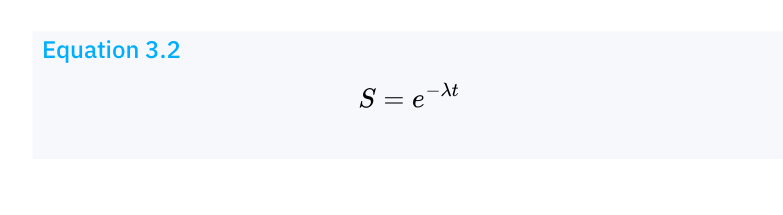
This gives the remaining fraction of a population (such as a pathogen) after time t. There are a number of potential sources of decay of viable airborne pathogens in the absence of deliberate attempts to control it–for example, the deposition rate at which aerosol particles hit a surface or fall to the floor, as well as environmental influences like temperature, pH, and relative humidity4.
Where there are two or more sources of decay, these are additive to the total rate of decay.
Steady-state concentration
In a scenario where there is a contaminant that is being emitted into a space at a constant rate, the average concentration of the contaminant in a space will tend towards a steady state. This steady state is simply the rate of pathogen emission divided by the total decay, where both the pathogen generation and the decay constant have the same unit of time. The steady-state concentration Css is calculated as:

Therefore, if we know the change in Css when there is no change in emission rate, we can calculate the relative change in λsum. Equation 3.3 shows that every halving of Css requires λsum to double, and that getting additional decreases in Css requires higher and higher λsum.
| Reduction in Css 50% |
Required change inλsum 2x |
|---|---|
| 75% | 4x |
| 90% | 10x |
| 95% | 20x |
| 99% | 100x |
Air changes per hour
Air changes per hour (ACH) is a simple calculation of how many times per hour the entire volume of air in a given space is replaced. It is defined as5:

Note that to use this equation correctly, the unit of Q needs to be flow rate per hour and V needs to be a volume in the same unit in which the flow rate is calculated. If for example the volumetric flow rate is given in cubic feet per minute (cfm) and the room volume in cubic feet, Q needs to be multiplied by 60 to get ACH. If instead the unit of Q was liters per second (L/s) and the room volume in cubic meters, it needs to be multiplied by 3.6.
If the air in a room is assumed to be ‘well-mixed’, then the ACH is a decay constant ( λACH) with respect to the concentration of a contaminant in the air6.
This is not an empirical observation, and ‘well-mixed’ has a somewhat circular definition—a room is well-mixed if the ACH predicts the decay. In the case of a room being well-mixed with respect to the average concentration of a contaminant where the source is in the room, the well-mixed assumption requires only that the air leaving the room has the same average contents as the entire room. If the source of the contaminant was in the air supply, a sufficient definition of well-mixed with respect to the average concentration of contaminant would be that the concentration in the air outlet is the same as the air inlet.
We may also care about whether particular parts of a room are wellmixed, such as the ‘breathing zone’, which is defined in ASHRAE (American Society of Heating, Refrigerating and Air Conditioning Engineers) Standard 62.1 as the “region within an occupied space between planes 3 and 72 in. above the floor and more than 2 ft (600 mm) from the walls or fixed air-conditioning equipment.”7 Depending on the particular ventilation design of the room, the breathing zone could be well-mixed but other parts of the room not, and vice versa. But the important thing to understand with respect to air mixing is whether or not a certain amount of airflow per hour can be treated as a decay constant, or if not, what correction needs to be applied to estimate the rate of decay.
eACH and CADR
An equivalent air change per hour (eACH) can be defined as anything that has the same effect as an air change per hour (ACH). Far-UVC, for example, can be said to have 1 eACH if it reduces pathogen concentration by the same amount as 1 ACH in a well-mixed room. This simply means that, mathematically, an eACH is an exponential decay constant (λeACH) where the unit is hr.
Clean air delivery rate (CADR) is equivalent to Q in equation 3.4 that defines ACH:

As for equation 3.4, attention needs to be paid to the units of CADR and volume when making calculations.
There are two important things to note about the difference between ACH and eACH. First, ACH is assumed to be contaminant-invariant (i.e. all contaminants are assumed to be subject to the same air mixing, and thus decay at the same rate). eACH and CADR, however, are not contaminant-invariant.
Consider gaseous versus aerosol contaminants. An in-room mechanical HEPA filter will have an eACH and CADR versus aerosol particles, but in the absence of an additional filter type (such as activated carbon) it will have little or no effect on the gas. And as shall be seen later, in the case of far-UVC the eACH and CADR will be different with respect to different pathogens.
Second, once the ‘well-mixed’ assumption is relaxed, ACH is no longer equivalent to eACH. The well-mixed assumption is necessary for Q/V to be treated as a decay constant with respect to the average concentration of a contaminant.
A common practice among ventilation practitioners is to use a ‘mixing factor’ (sometimes referred to as ‘K’) to discount ACH to estimate an ‘effective’ ACH (i.e. what is the decay per hour, which is the same thing
There is very little in the recent published literature on mixing factors for ventilation, and references to it are more typically found in manuals for industrial ventilation practice or in standards such as ASHRAE 62.1 which describes the concept of Zone Air Distribution Effectiveness (Ez). Ez is the degree to which ACH should be discounted specifically with regards to contaminants in the breathing zone7.
Reda et al., 20238 surveyed the literature and concluded that mixing factors fail to accurately estimate air change rates:
“Given the difficulty of the topic, such mixing models (K and Ez) are calculated assuming the uniform mixing and reported in a rather subjective manner according to professional experience and the rule of thumb. Meanwhile, the existing data are rough estimates. Due to these limitations, these factors (K and Ez) fail to accurately estimate air change rates and thereby improve building ventilation performance.”
Further research into accurate modeling of ventilation would greatly improve our understanding of the relative effectiveness of ventilation and other interventions such as far-UVC.
Key takeaways
- Airborne pathogen viability decays due to many factors including deposition, environmental factors, ventilation, and the use of air cleaning technologies.
- When a contaminant is emitted at a constant rate, its steady-state concentration depends on how quickly it is removed from the air.
- Doubling decay rate cuts steady-state pathogen concentration in half, therefore achieving greater reductions requires greater increases in decay.
- Far-UVC adds to decay, similar to ventilation and filtration, reducing airborne pathogen levels.
- ACH (air changes per hour) measures how often air is replaced in a room; it assumes perfect mixing, and does not account for filtration or inactivation.
- ACH can be treated as a decay constant in well-mixed rooms, but real-world airflow varies, meaning actual effectiveness depends on ventilation design, air distribution, and room occupancy.
- eACH (equivalent ACH) represents the pathogen removal effect of air cleaning technologies like far-UVC and filtration, translating their impact into an air exchange equivalent.
- CADR (clean air delivery rate) quantifies the volume of air effectively cleaned per unit time, allowing comparison across different air purification methods, including filtration and UV.
- Far-UVC’s eACH varies by pathogen because different microbes have different UV susceptibilities, affecting how efficiently they are inactivated.
How do we study how well far-UVC reduces transmission of airborne diseases?
Effectiveness
The effectiveness of an intervention at reducing transmission of disease means how many infections it prevents in real-world environments. Or to put it concretely: if far-UVC were installed in a school classroom, or an urgent care waiting room, or a conference center, how many illnesses would be prevented?
This deceptively simple question is very challenging to study. This is not a property of far-UVC in particular, but rather there are general limitations to studying interventions that occur at the level of a place, when the endpoint of the study is how many people get sick.
The challenges of cluster-randomized trials
Suppose a device was invented that stopped 100% of the transmission of respiratory infections in the room in which it was placed. How would we prove, empirically, that such a device worked?
Cluster-randomized trials are the gold standard for assessing the effectiveness of treatments at a group level. In a cluster-randomized trial, researchers randomly assign an intervention like far-UVC to some places, treat other places as a control, and compare the infections of the people who spend time in the places with devices, and the people who spend time in the control places. However, cluster-randomized trials come with a number of challenges
The first challenge is that we can’t easily measure how much a disease was transmitted between individuals in a given place. We can only measure who has an infection or was infected, and know what places they have been. For some populations, the risk of acquiring a respiratory infection is concentrated only in one particular place: for example,
residents of a long-term care facility or a military barracks. But these are the exception rather than the rule. Most people have multiple possible places where they can acquire respiratory infections, and no one place constitutes the vast majority of their overall infection risk.
Therefore, even if an environmental intervention is 100% effective, it is essentially impossible to measure a 100% reduction in infections using a cluster-randomized control trial. Even if no-one contracted an infection in a far-UVC-treated location, in the vast majority of cases, people who visited that place could get sick in many other places. To put it more technically, if one intervention is tested to prevent transmission in a particular place, the measured effect size that can possibly be observed in a cluster-randomized trial of the people who occupy that space is reduced proportionately to how likely the people are to acquire an infection in that place relative to other places. In many situations, if a cluster-randomized trial detected a 20% reduction in infections among (say) children in a
particular classroom, that could represent a far larger reduction in the amount of transmission that is actually occurring inside the classroom.
Furthermore, in some circumstances the intervention itself can displace transmission to other places or times. The latter effect is clearly visible in the study of the effectiveness of upper-room UV against measles in New York State schools published in 19479. The total reduction in infections over the study period in the school that had UV lamps in all classrooms was not statistically significant, but it can clearly be seen from the data that there was a successful ‘flattening of the curve’—a reduction in the rate of transmission—in the school where all classrooms had UV lamps.
In the school where half of the classes had UV lamps, the results seem to show infections being partially displaced. One critical factor was that children mixed on school buses, so children who avoided measles in the irradiated classrooms could catch it on the bus.